
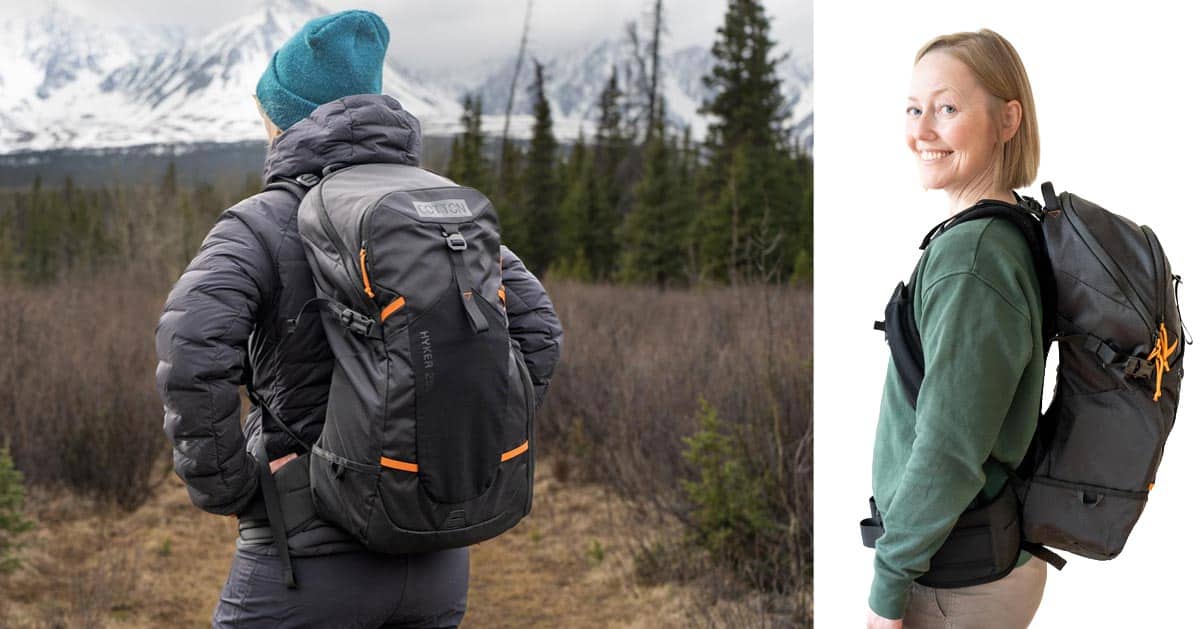
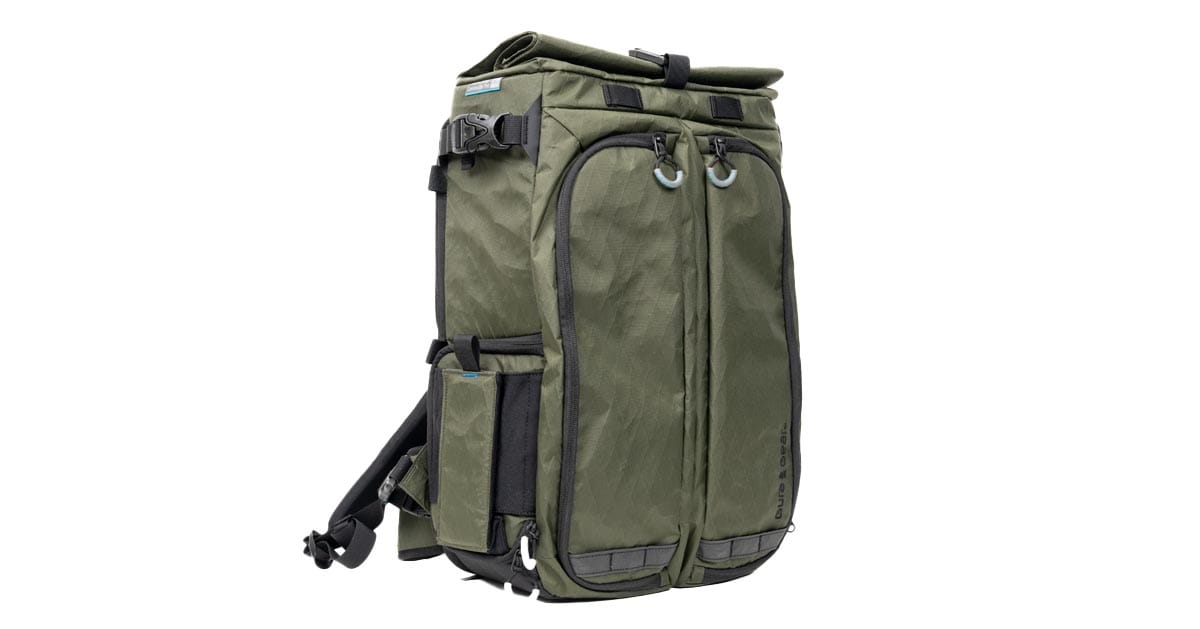
Cotton Carrier is best known for its G3 camera harness, which features a patented Twist & Lock quick-release system for fast access to a camera while exploring the outdoors. Last year, the Canadian brand expanded its lineup by launching its first camera bag, the Hyker Slingbag, which features an integrated version of the popular quick-release system. This year, it returns with a new product: the Cotton Carrier Hyker 25 Daypack. Of course, the Twist & Lock system is part of the new camera bag’s design; however, it’s not the headline. Instead, the standout feature is something I had started to wonder whether I would ever see in a camera bag.
In one way or another, I have been reviewing camera bags for over twenty years. In that time, I have read many comments and had many conversations about slings, backpacks, shoulder bags… You name it. If you’re reading this review, chances are I don’t need to tell you that most photographers love a good camera bag! Still, despite trawling the depths of the B&H catalog for new and interesting carrying solutions over the years, others and I have always wondered why there aren’t any camera bags designed for outdoor photography that feature the same style of suspended, ventilated back panel often found on dedicated hiking backpacks from companies like Osprey. Well, spoiler alert, I no longer have to wonder. Cotton Carrier has delivered this much-requested concept as the Hyker 25 Daypack.
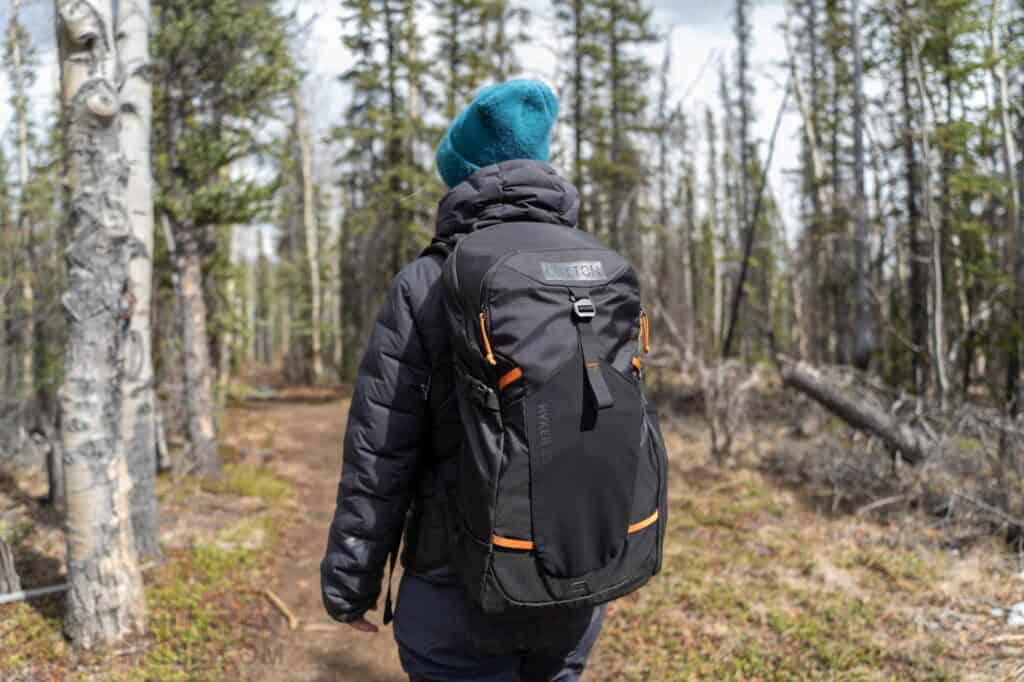
Of course, when I learned about the plans for this product, I was keen to test it out in the wild. Before writing this, I tested the bag for over a month at home in the Yukon and while traveling for workshops in Costa Rica and British Columbia. In this review, we will take my usual in-depth look at the backpack’s features, compare it to Cotton Carrier’s only other camera bag. Should you add it to your camera bag quiver? Read on to discover all the features and my findings.
Disclaimer: Cotton Carrier provided the Hyker Slingbag for testing and review. They also compensated me for the time it takes to create such an in-depth review, but they were not allowed to see it before it was published, nor was I guided in any way about what I should or should not discuss. I appreciate the trust that my readers put in me and my reviews. My review is honest, so I talk about the good and the bad. Read on to find out what they are.
Table of Contents
Cotton Carrier Hyker 25 Key Features
- Twist and Lock Receiver — Keeps your camera secure on the shoulder strap yet instantly accessible without removing the pack
- Trampoline Back Panel — Breathable mesh layer between your back and the bag for improved airflow and comfort
- Internal Shelf — Removable divider that keeps gear organized; camera sits below, lenses above — quickly set up or removed to suit your needs
- Ladder Adjustment System — Precision strap height adjustment to fine-tune the Twist and Lock Receiver position for all body types
- Tripod Pocket — Dedicated exterior pocket with camlock buckle to prevent webbing slip when carrying a tripod
- Waistband Landing Pad — Attachment point for Cotton Carrier Holster or Lens Bag accessories
- Top Quick-Access Pocket — Fast reach to keys, wallet, phone, snacks, passport, field guides
- Shoulder Phone Pocket — Pocket on the shoulder strap for easy phone access on the trail
- Double-Sided Zipper Access — Open the main compartment from either side
- Rain Protection — Both a camera rain cover and a full bag rain cover included in the box
- Camera Tether — Safety leash to prevent accidental drops, included in the box
- Freestanding Design — Stands upright on its own when set down
- Water Resistant Exterior — Coated Nylon Ripstop shell sheds light rain and moisture
- Mesh Water Bottle Pouch — Accessible side pocket for hydration
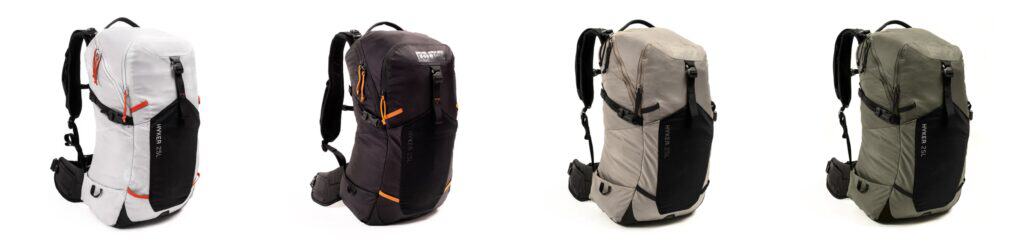
- Available in Four Colors — Alpine White, Photog Black, Desert Tan, and Forest Green
Specifications
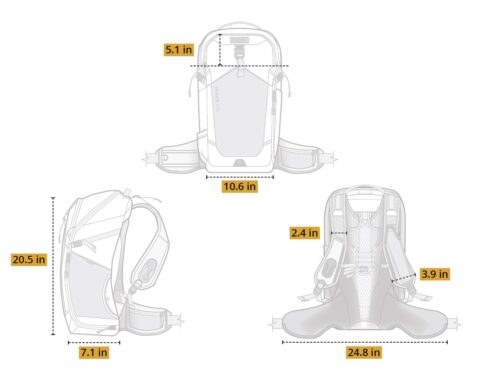
Cotton Carrier Hyker 25 Specifications
| Volume | 25L (~1,526 cu in) |
| Bag Height | 20.5 in / 52 cm |
| Bag Width | 10.6 in / 27 cm |
| Bag Depth | 7.1 in / 18 cm |
| Waistband Width | 24.8 in / 63 cm |
| Upper Strap Width | 2.4 in / 6 cm |
| Lower Strap Width | 3.9 in / 10 cm |
| Top Pocket Height | 5.1 in / 13 cm |
| Shell Fabric | Coated Nylon Ripstop, N400d |
| Twist Lock Receiver | Nylon 6 |
| Zippers | YKK |
| Hardware | Anodized Aluminum |
| Color Options | Photog Black, Forest Green, Desert Tan, Alpine White |
| Price | Check Current Pricing |
Cotton Carrier Camera Cube Specifications
| Insert | Inches | Centimeters | Included Dividers |
|---|---|---|---|
| Small | 11″ × 6″ × 6″ | 28 × 15 × 15 cm | 1 Long, 2 Short |
| Medium | 11″ × 8″ × 5.5″ | 28 × 21 × 14 cm | 1 Long, 4 Short |
| Large | 11″ × 11″ × 5.5″ | 28 × 28 × 14 cm | 2 Long, 5 Short |
Cotton Carrier Hyker 25 Design and Features
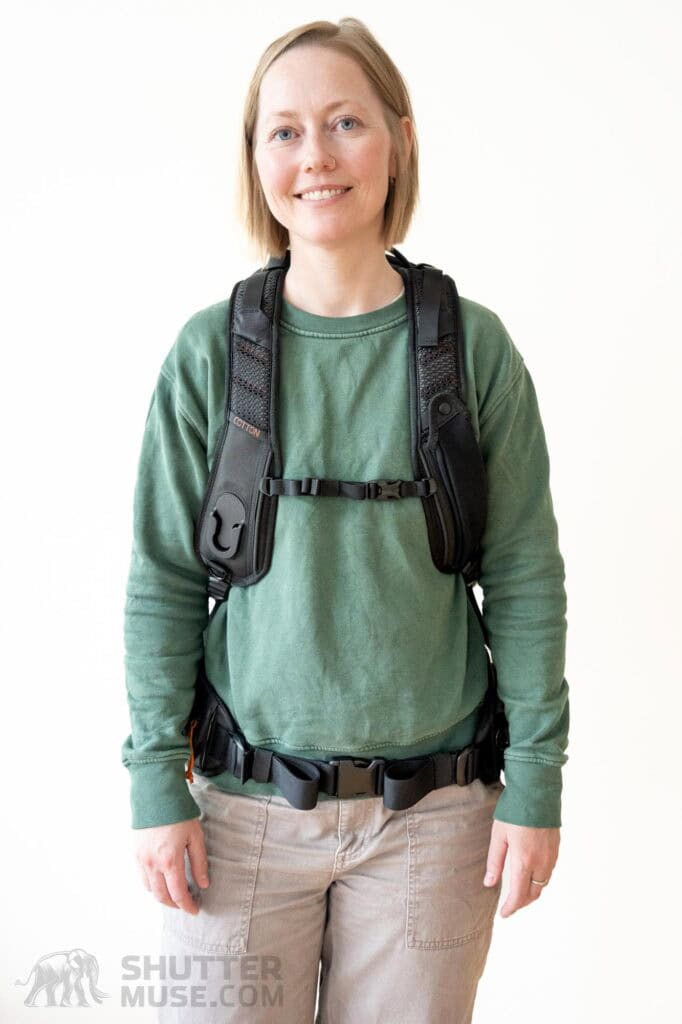
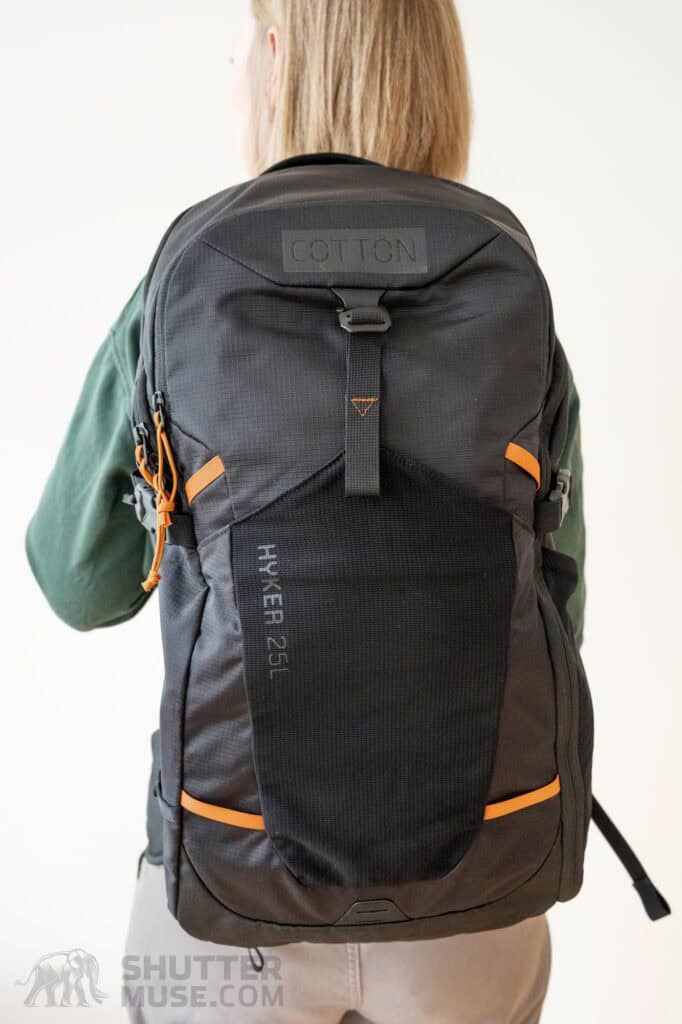
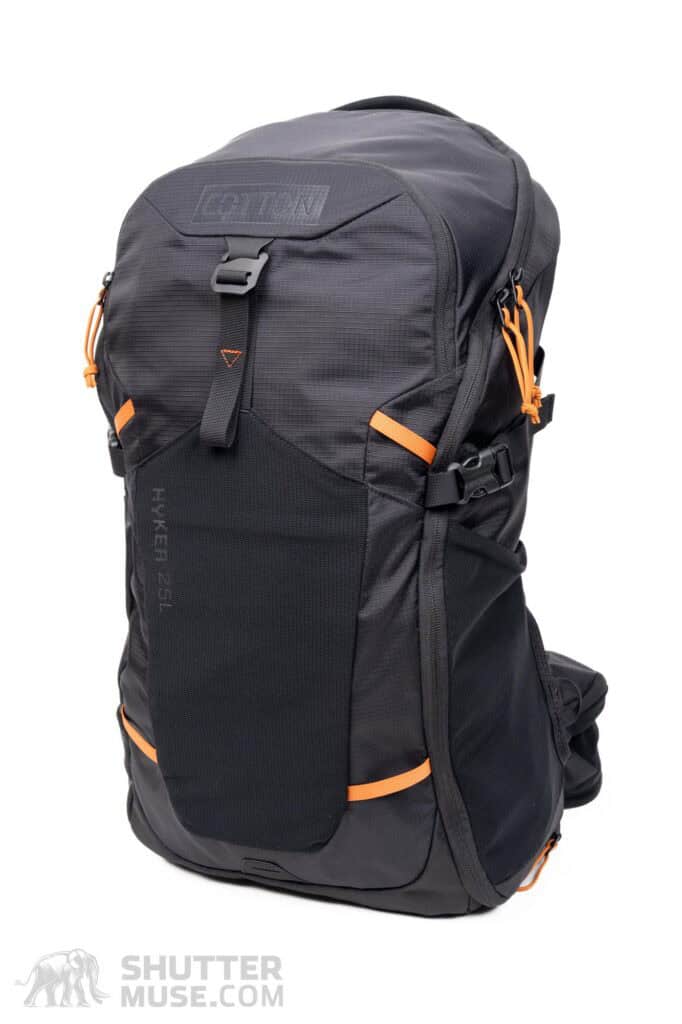
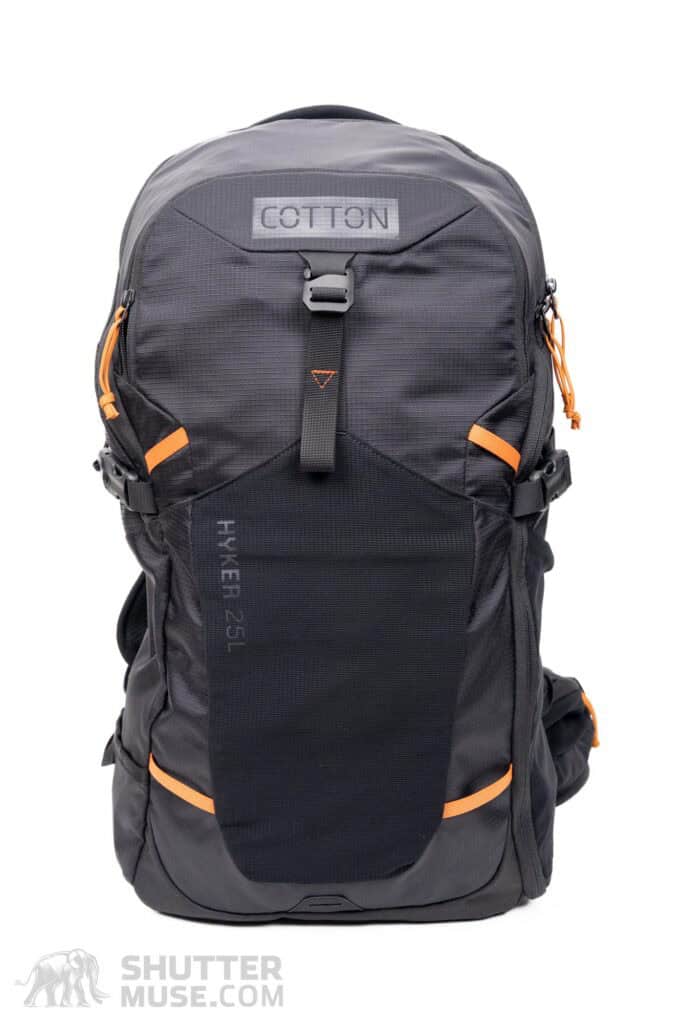
Twist & Lock Receiver
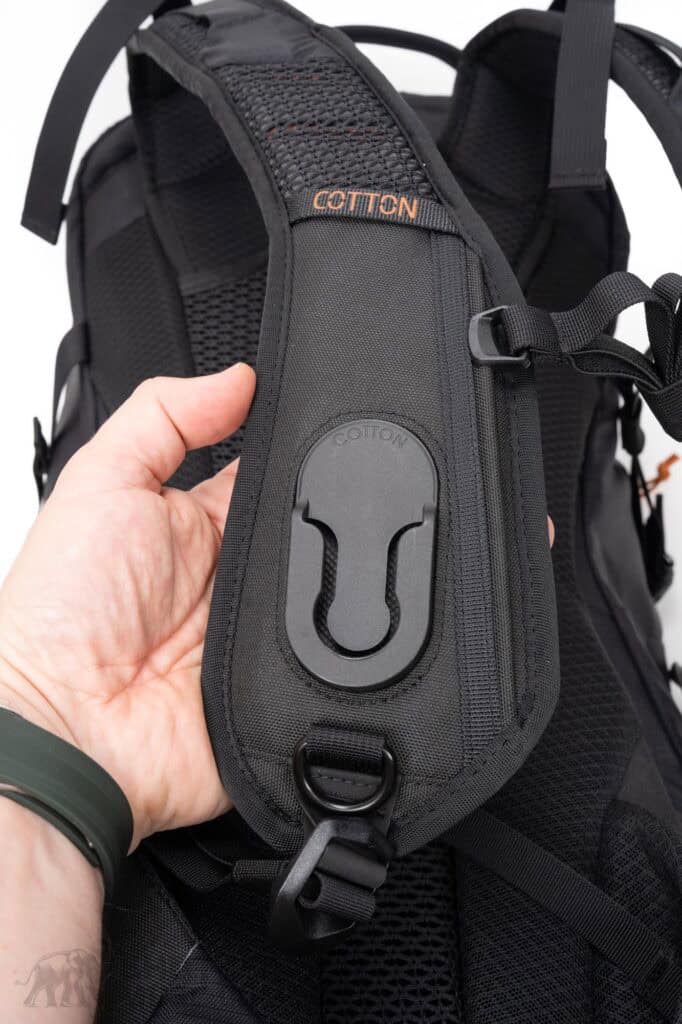
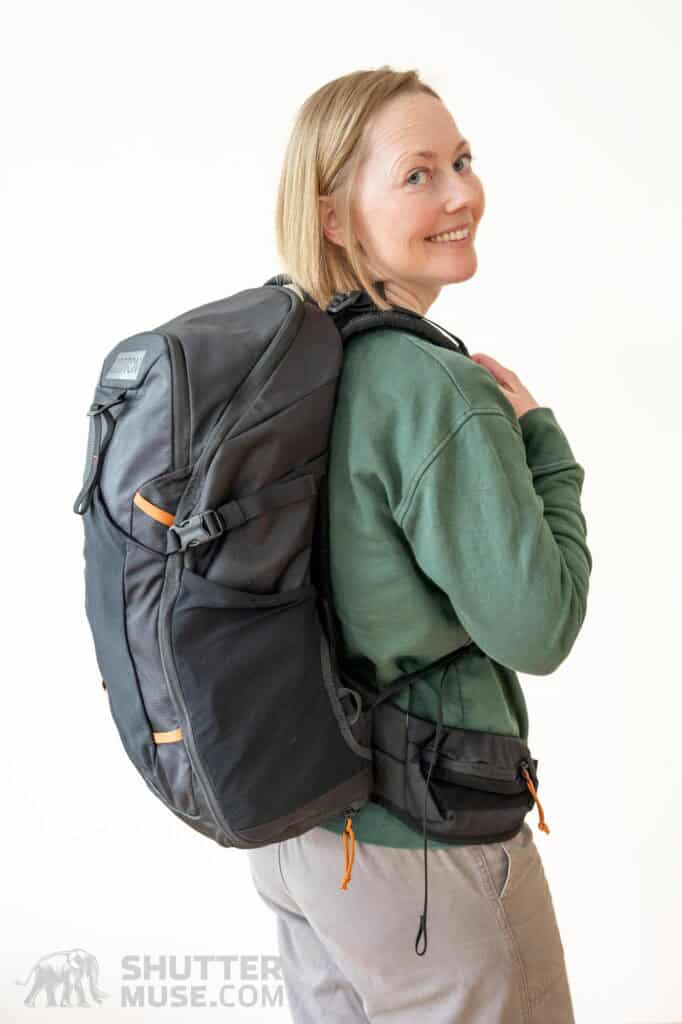
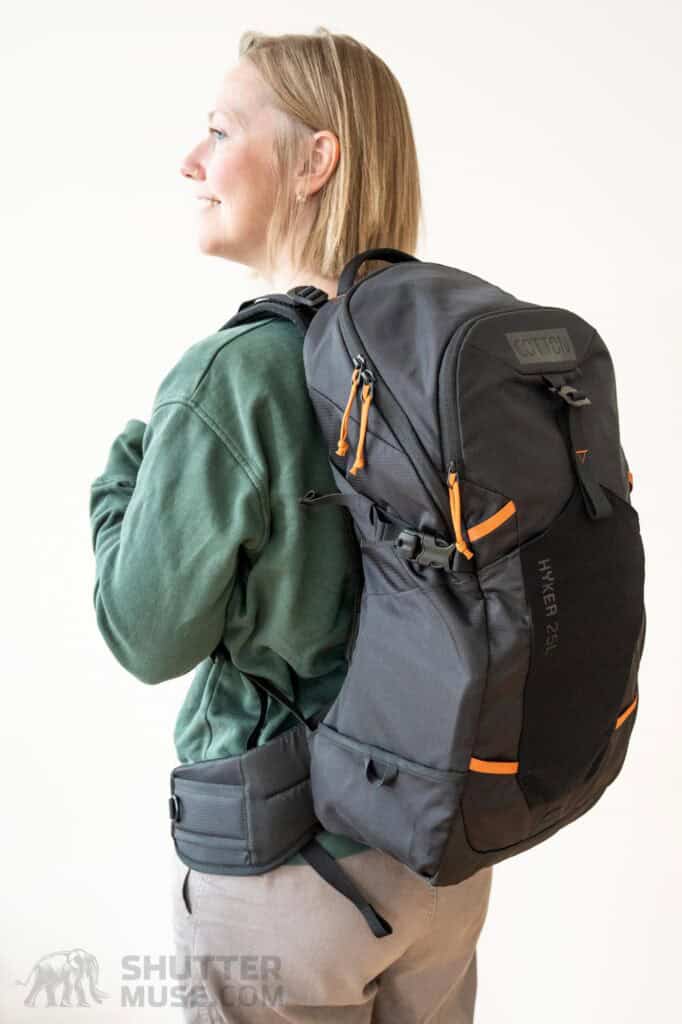
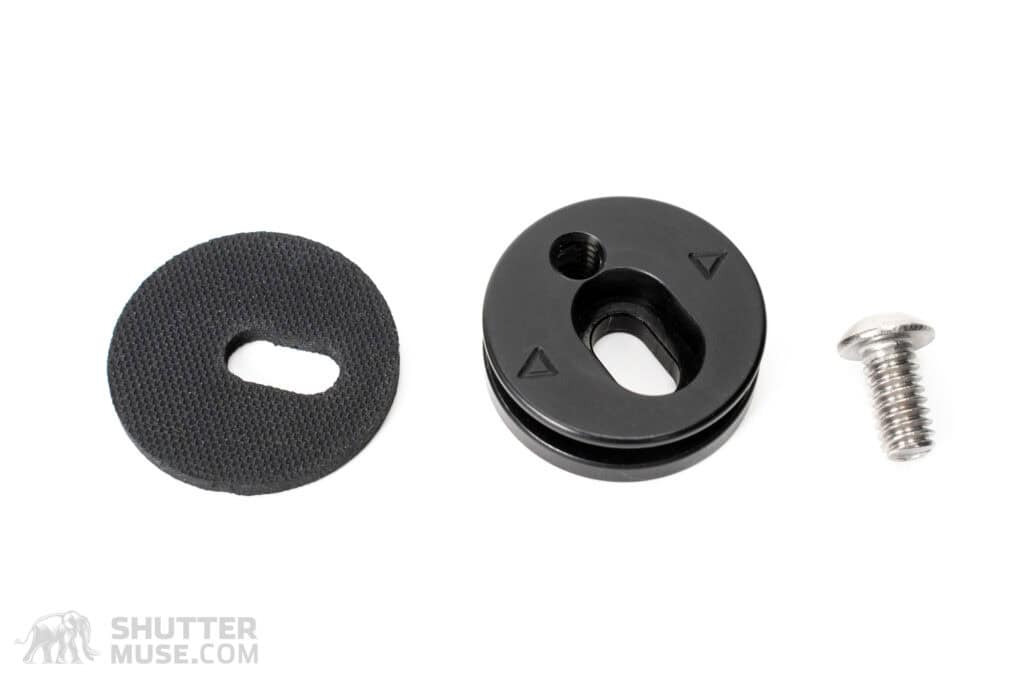
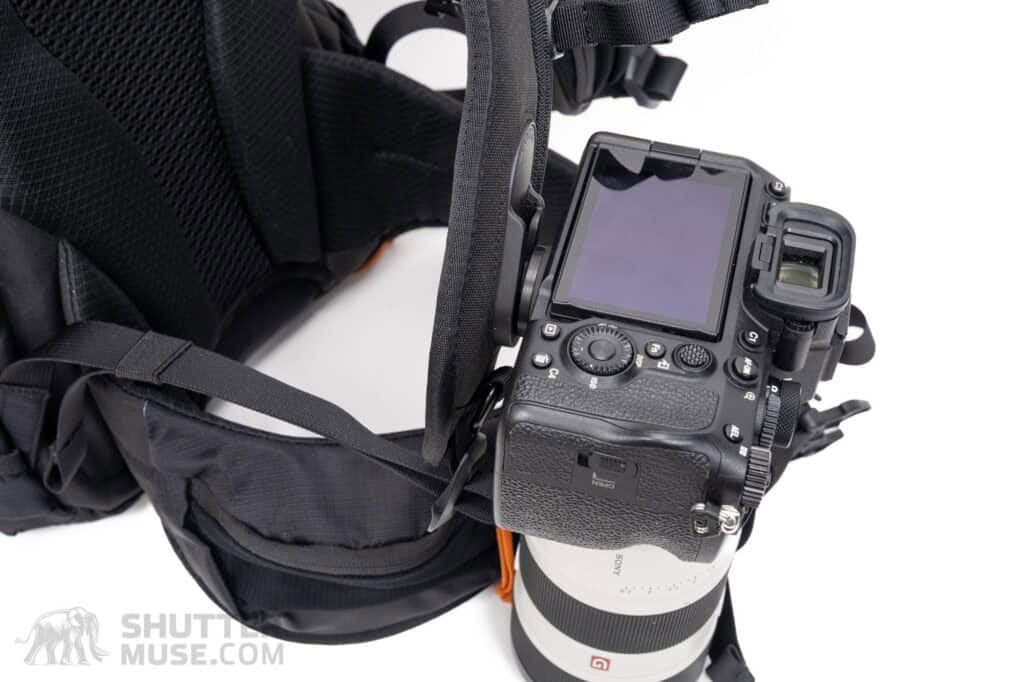
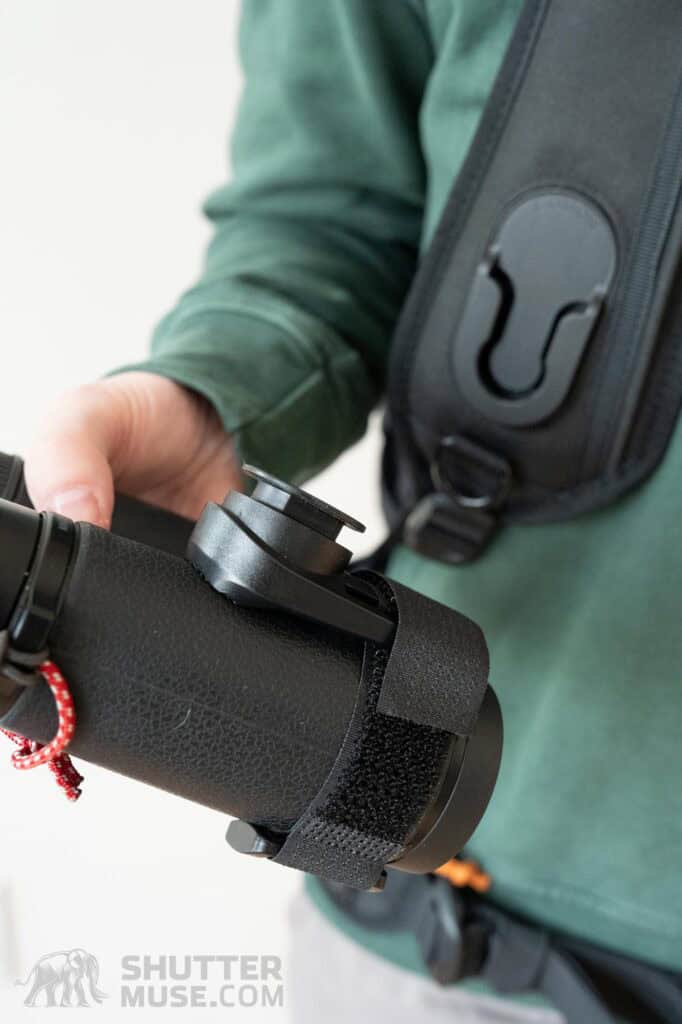
The Cotton Carrier Twist & Lock system is the brand’s foundational feature, beloved by nature and wildlife photographers who want fast access to their cameras. The included hub attaches to your camera body or lens foot, and locks into the receiver with a simple 90-degree twist. For years, I have used the Cotton Carrier G3 harness to venture into the wild with my camera close to hand. Now, for the first time, Cotton Carrier is offering this feature, designed directly into a backpack, alongside the Hyker sling in their growing catalog of camera-carrying solutions.

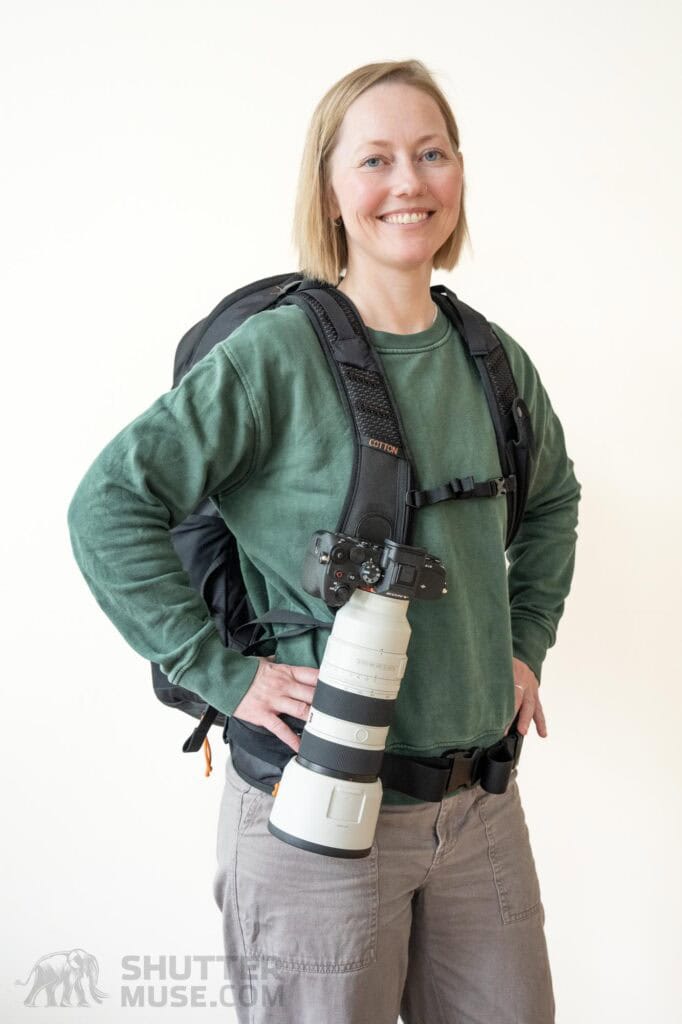
While the Hub system and the Twist & Lock receiver remain the same across all of Cotton Carrier’s bags, holsters, and harnesses, the comfortable carrying capacity varies dramatically depending on the carrying position and the size and shape of the padding behind the receiver.
In the case of the Hyker 25 Daypack, I found the bag excels at carrying so-called “walkaround” focal-length zooms, such as a 24-120mm or a modern mirrorless 24-70 mm in the quick-release Twist & Lock receiver. Sony users will love lightweight options like the 24-50mm or 20-70mm f/4. Moving up in the weight range, I also enjoyed carrying my compact Sony 70-200mm f/4 G.
With a 70-200mm f/2.8 lens, I started to feel the effect of having the receiver on one side of the bag. Naturally, with weight concentrated on one side of the shoulder strap, you will eventually feel the off-center tug of a heavier lens. With my 70-200mm f/2.8, this lopsided load could be mitigated by tightening the bag’s harness. This was still a manageable lens weight, but I wouldn’t want to push it much further.
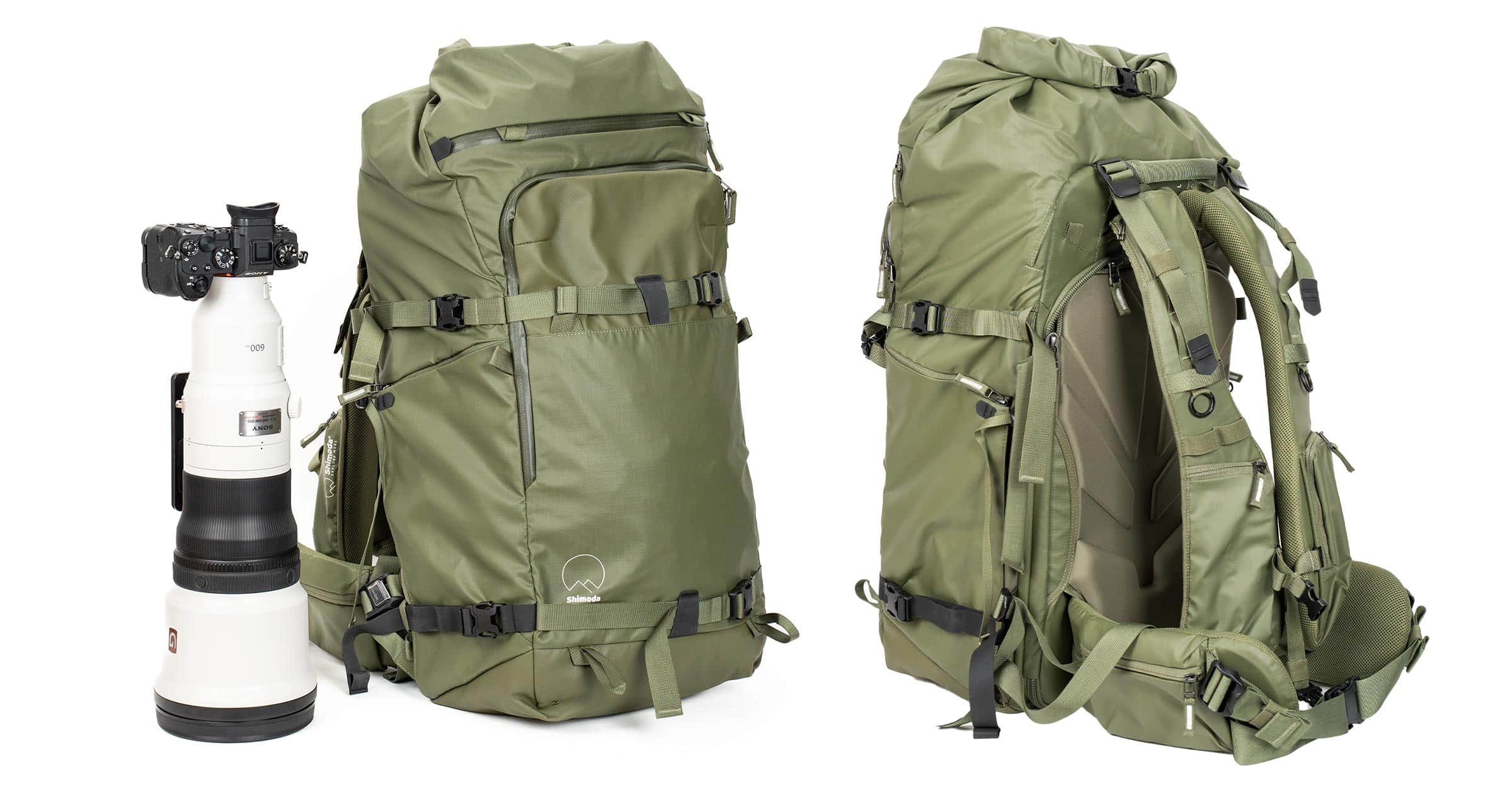
Do not assume that because a Cotton Carrier G3 harness can carry a 200-600mm or even a 400mm f/2.8, the Hyker can do the same. The position of the receiver, central on your chest, is a big part of why that works so comfortably on the G3. That same sort of lens weights cannot be carried comfortably on the Hyker 25. Stick to small primes, “walkaround” focal length zoom lenses, or lightweight, modern 70-200mm lenses.
Trampoline Back Panel
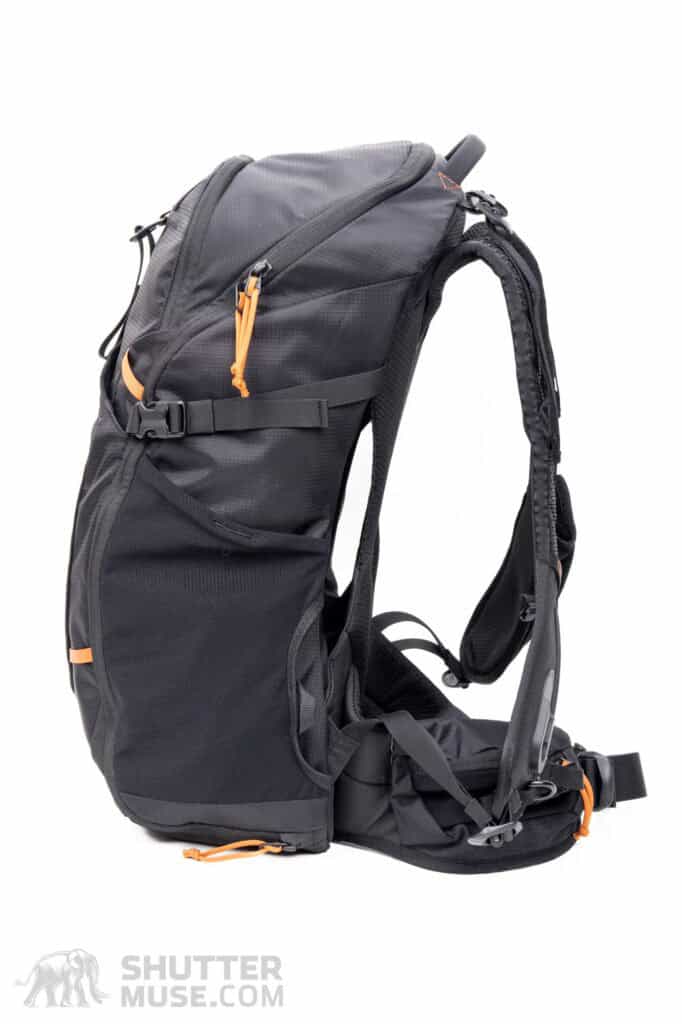
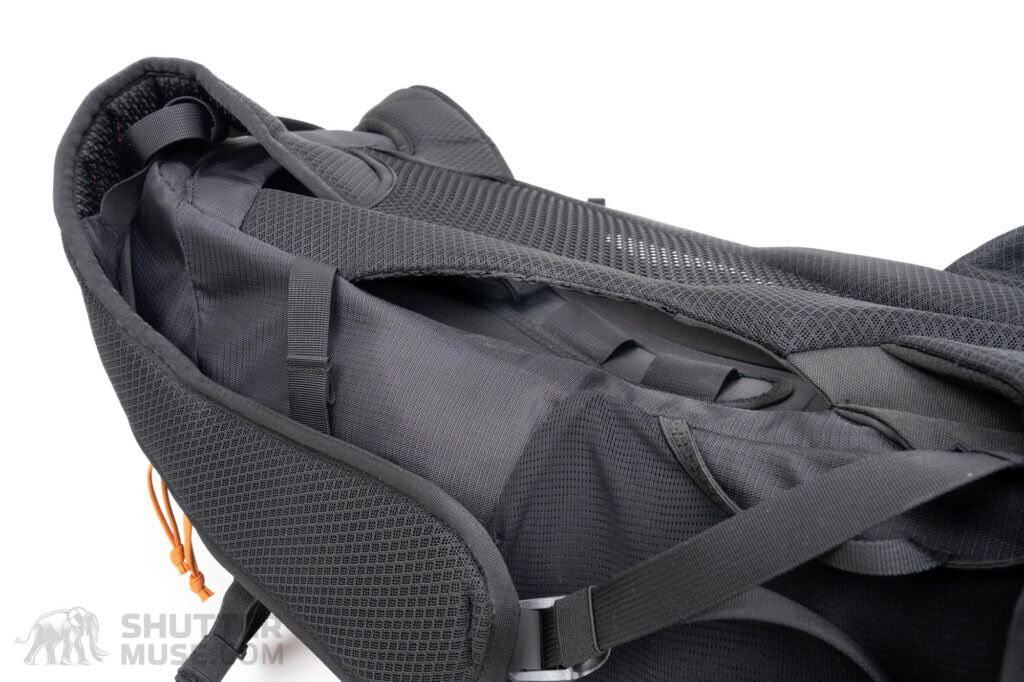
The Hyker 25’s standout feature is the Trampoline Back Panel, which draws inspiration from similar designs in popular hiking backpacks by companies such as Osprey. The suspended back panel design maintains airflow around your back, keeping you cooler on hot days or during periods of maximum exertion. I genuinely have no idea why it has taken so long for a camera bag company to create a bag with this feature. Finally!
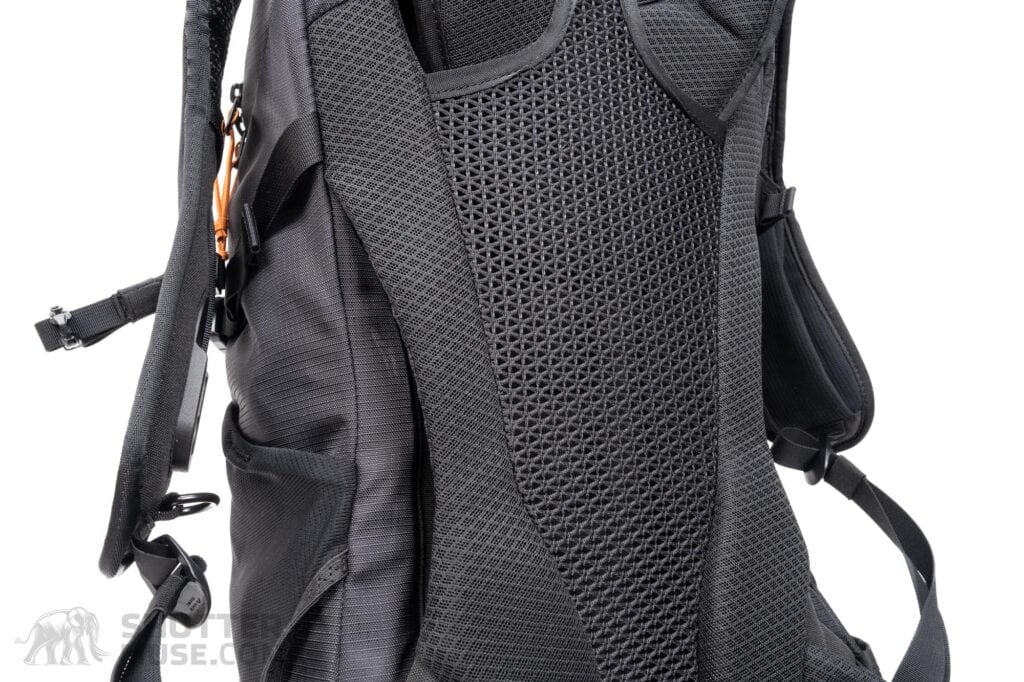
In addition to improved airflow, the trampoline-style back panel acts like a giant squishy suspension, cushioning the bag’s movement against your back. Meanwhile, the frame that supports the back panel helps maintain the bag’s shape, distributing weight evenly to your torso and hips while minimizing pressure points from overpacked or unevenly packed bags. I was prepared for the obvious airflow benefits of the design, but the knock-on positive effect on general carrying comfort was a very pleasant surprise.
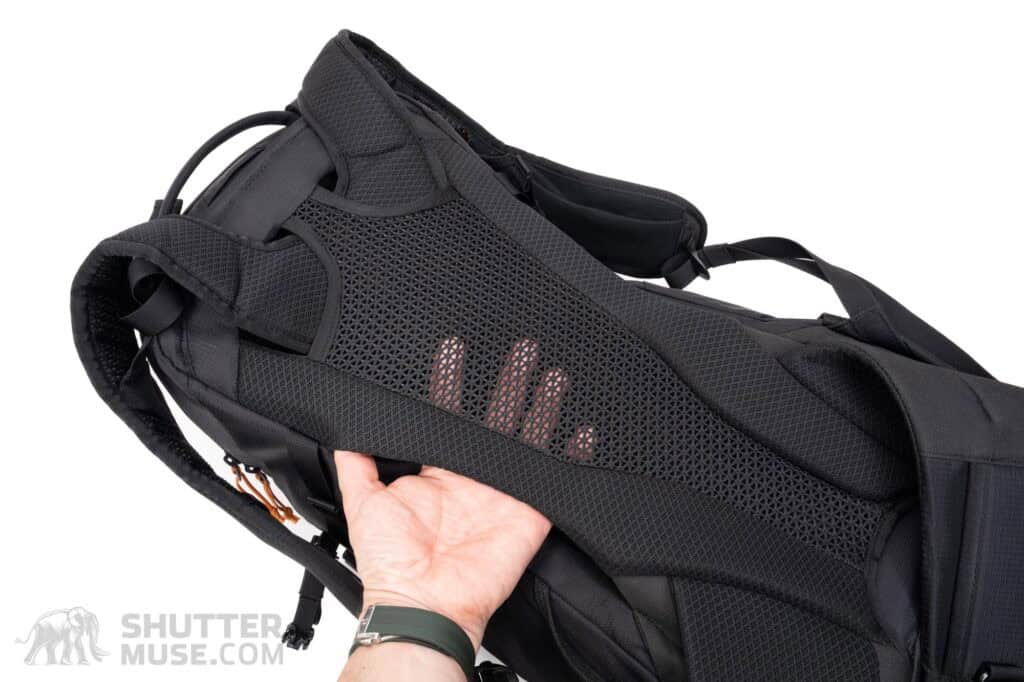
The downside of the design is the reduced internal volume of the bag and the resulting shape of that volume. As we will see in the later load-out examples, you can still fit a good amount of camera gear in the bag. However, you can’t fit large telephoto lenses beyond the 100-400mm or 100-500mm range.
Adjustable Torso
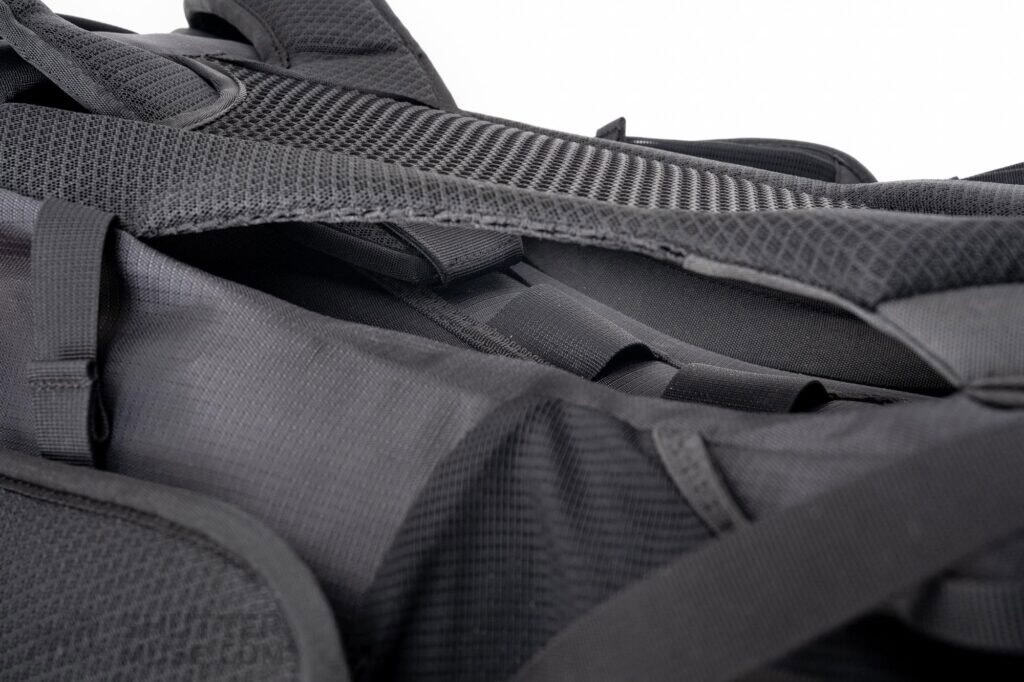
The Cotton Carrier Hyker 25 features an adjustable torso length using what the brand calls the Ladder System. Reaching under the Trampoline Back Panel reveals a series of webbing loops. A hook-and-loop attachment can be moved up or down the row of webbing loops to adjust the bag’s effective torso length and reposition the Twist & Lock receiver. This is a new and clever take on adjustable backpack sizing, neatly enabled by the space behind the back panel.
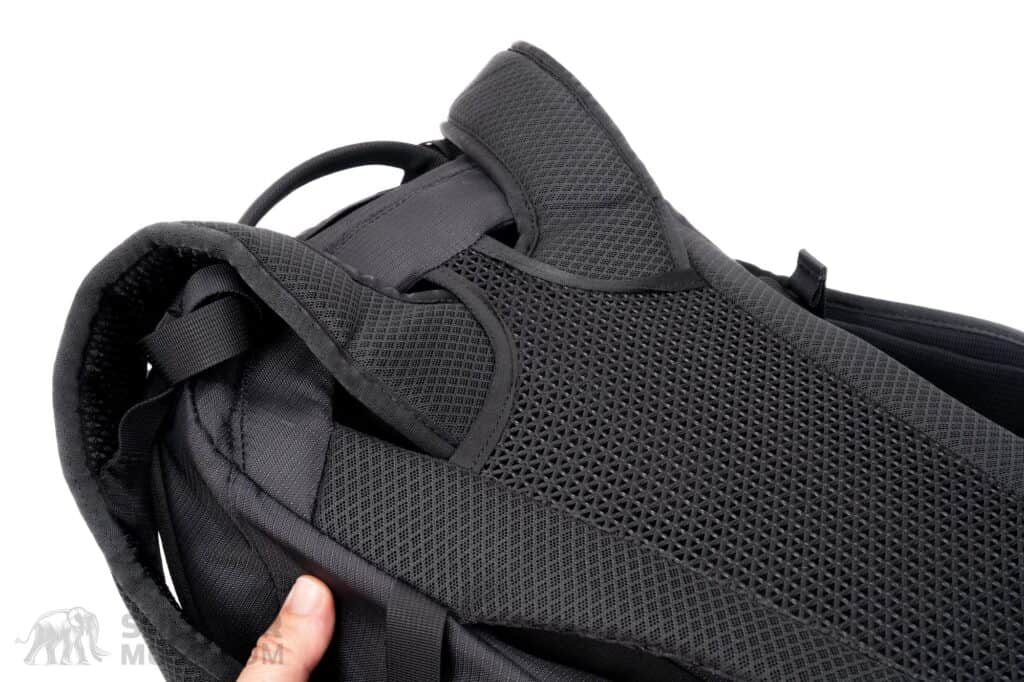
Shoulder Harness
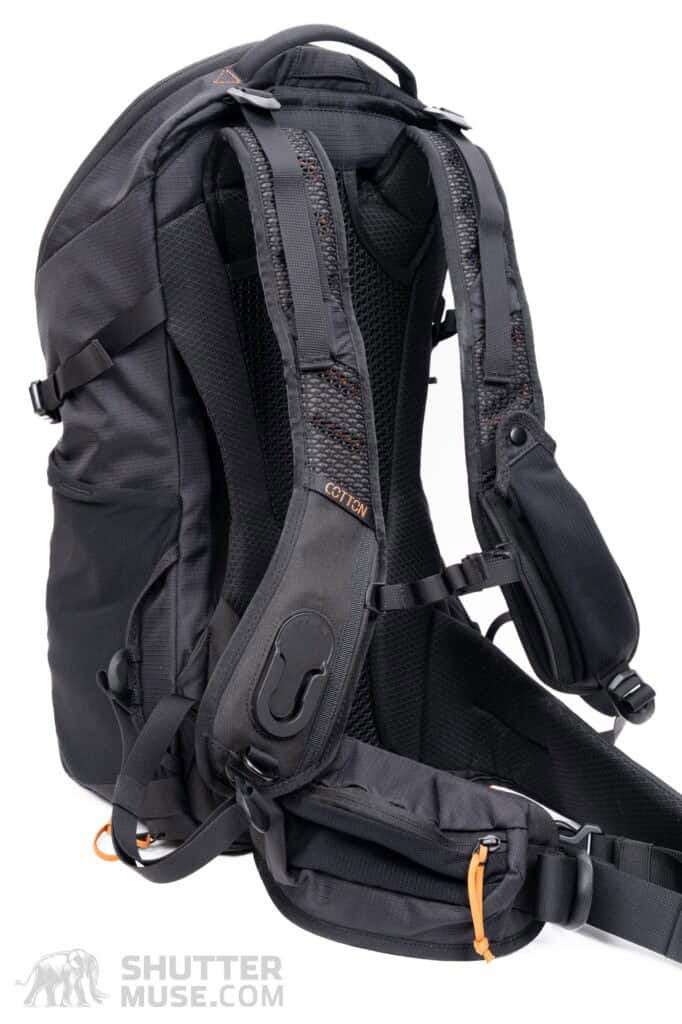
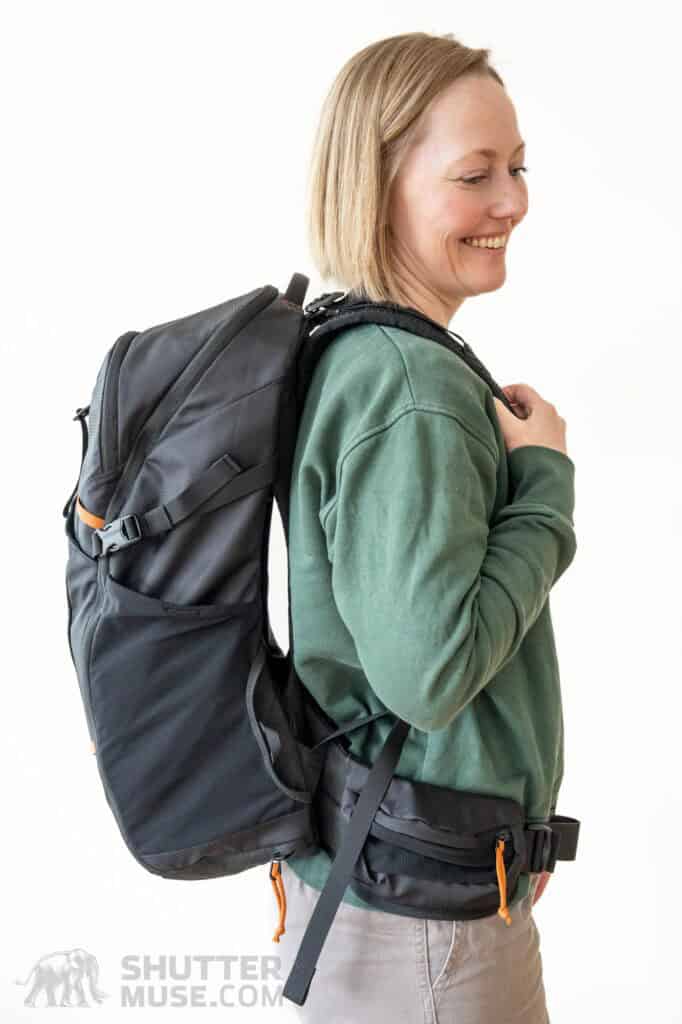
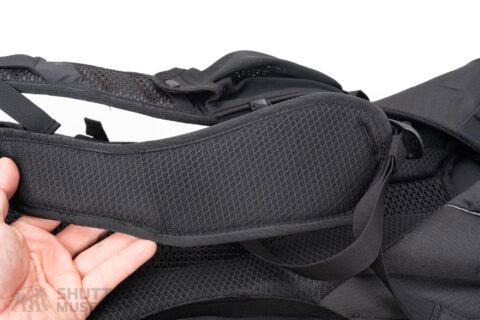
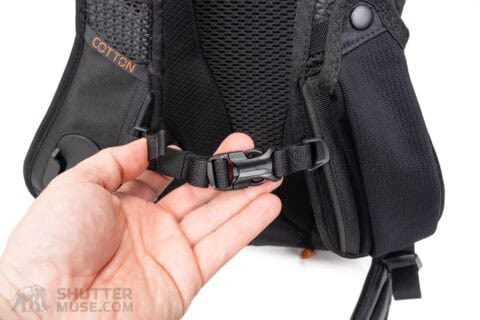
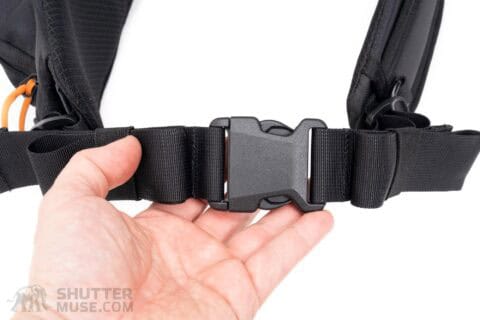
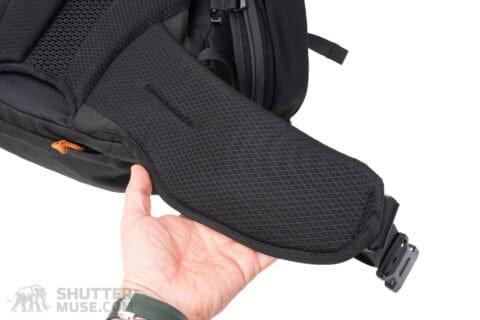
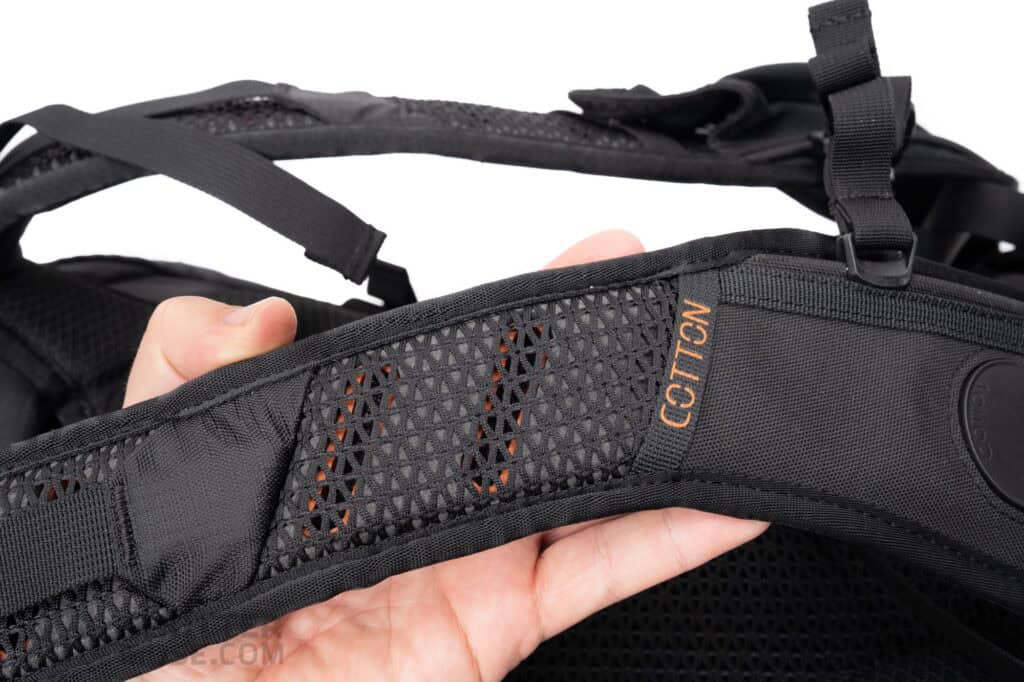
In keeping with the comfort provided by the Trampoline Back Panel, the rest of the Hyker 25’s harness uses a soft air mesh material. The wide ends of the shoulder straps help spread the load across your chest, and the hip belt padding, though not removable like some bags, is wide enough to help transfer weight to your hips on longer hikes. Though far less important, I also love the orange accents of the Cotton carrier logo and the orange layered foam that’s visible through the mesh on the shoulder strap. Nice touches that show how much thought has gone into every aspect of the design.
Shelf Divider
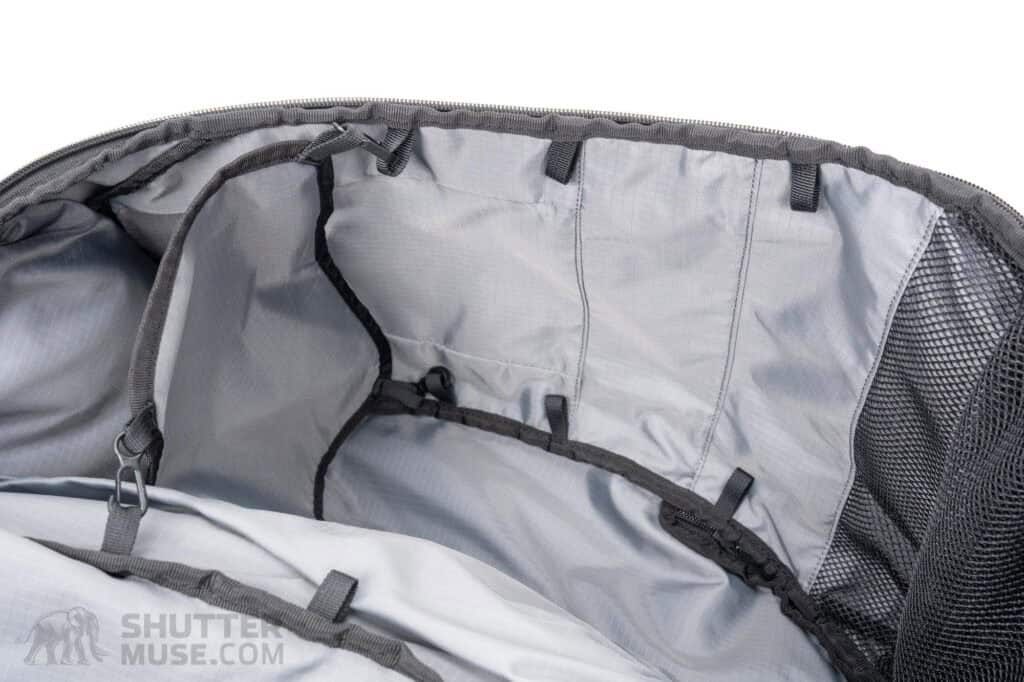
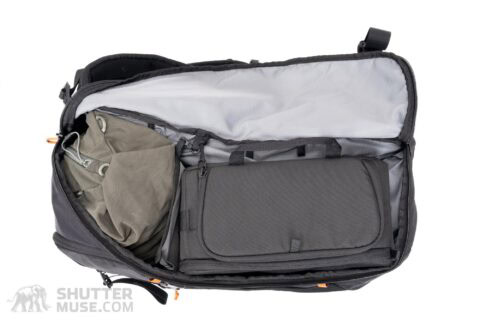
The Hyker 25 includes a flexible, removable, and repositionable shelf divider that splits the bag into three positions. The three positions correspond to the sizes of three optional Camera Cubes, which are detailed later in the review. Using the shelf lets you extract the Camera Cube from the bottom of the bag without the upper portion of the bag’s contents spilling to the bottom.
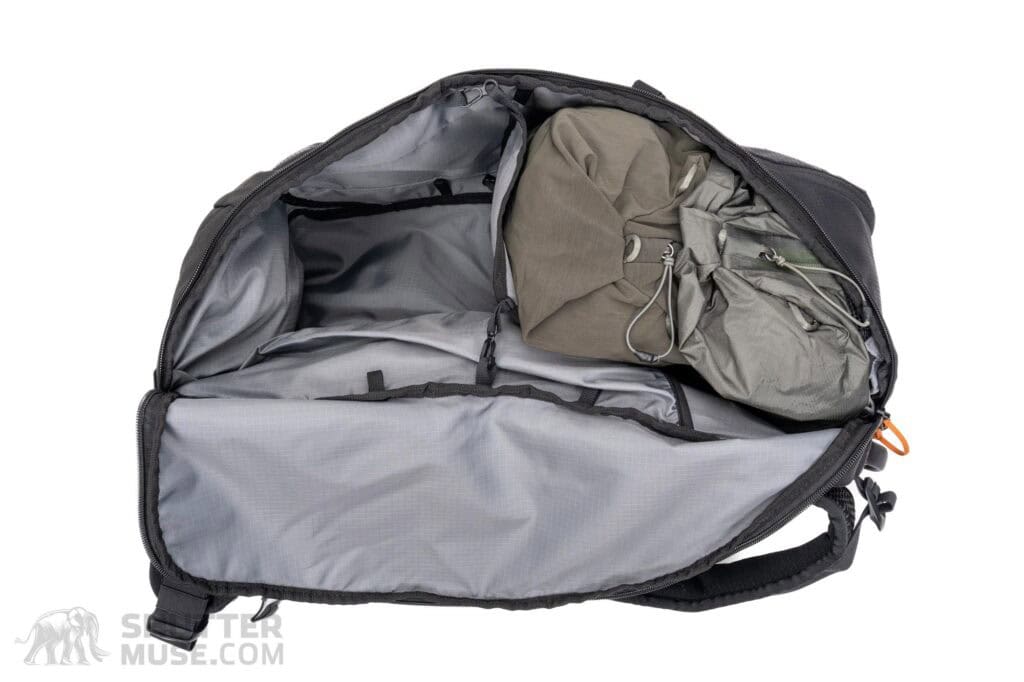
While the shelf’s flexible design gives you some leeway in how much you pack above or below it, it also means smaller items can easily fall between the upper and lower sections of the bag. You won’t have a problem with larger items such as a jacket, but toss a couple of granola bars into the top of the bag, and you should expect them to find their way to the bottom fairly quickly, past the shelf. To solve this issue, I took to using a couple of zippered packing cubes in the top section of the bag. One mesh made from elastic mesh to store items of clothing, and a regular zippered nylon bag to store snacks, and other miscellaneous small/medium items.
Front Stretch Pocket
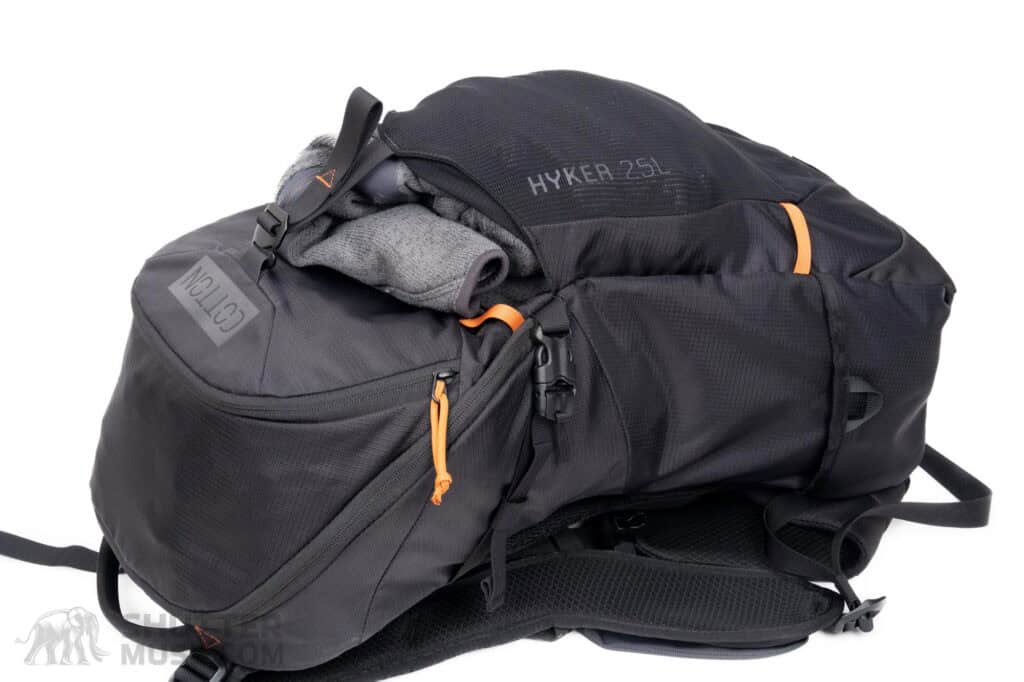
Front and center on the bag is a large, stretchy mesh pocket designed for quick access to layers. I had no issues storing a thick fleece sweater for colder days, or both a rain jacket and rain pants on days when rain seemed likely. The bag’s freestanding design means that, as long as you have some flat ground, you can rest it vertically to keep clothing in the mesh pocket from touching the ground.
Interior Mesh Pocket
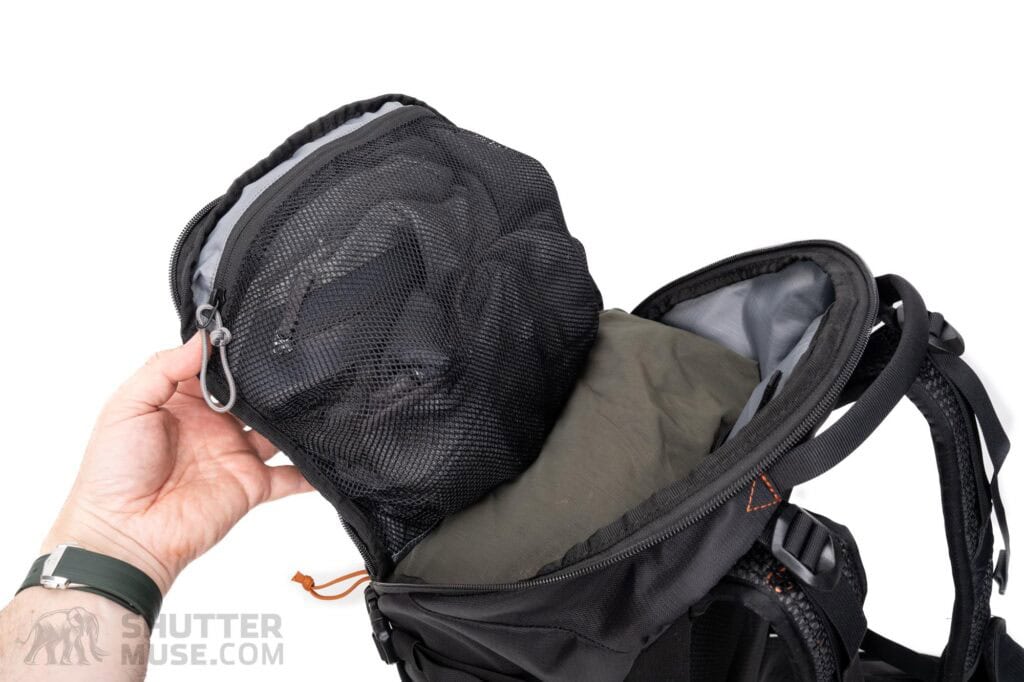
A large zippered mesh pocket is located inside the lid. The pocket’s volume is substantial and easily capable of holding something like a down jacket, a rain jacket, and pants.
Quick Access Top Organizer
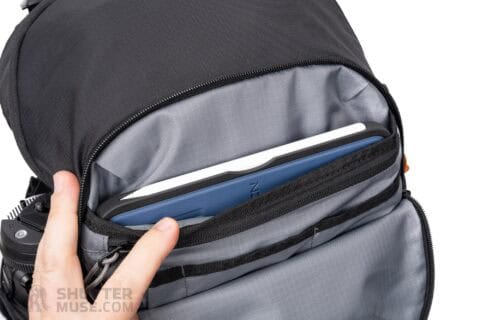
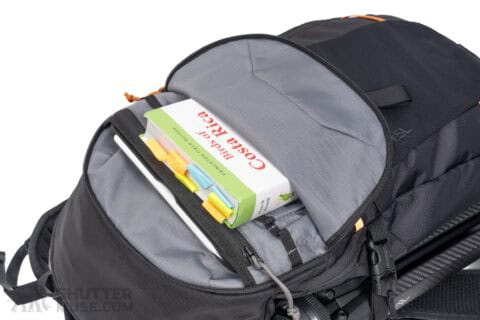
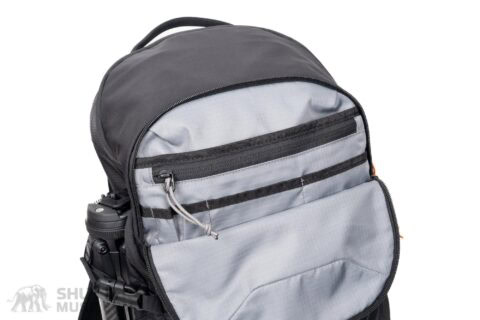
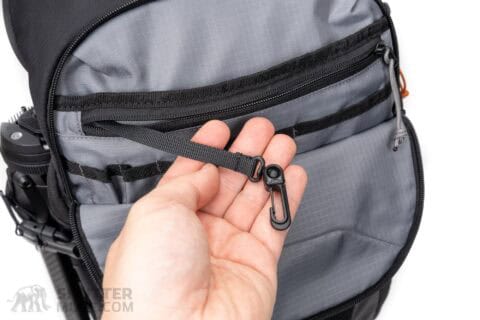
The front of the bag features a zippered top organizer pocket for quick access to regularly needed items. While you’re traveling, this might include your passport and travel documents. In the field, it’s a great place to store field guides, a small tablet like an iPad Mini, or camera accessories such as spare batteries, filters, and memory cards. The frontmost section of the pocket has enough capacity to hold snacks and gloves, while the organizer includes the obligatory pen sleeves, a key clip in a secondary zippered pocket, and a few small sleeves for notebooks or other flat items.
Side Stash Pocket
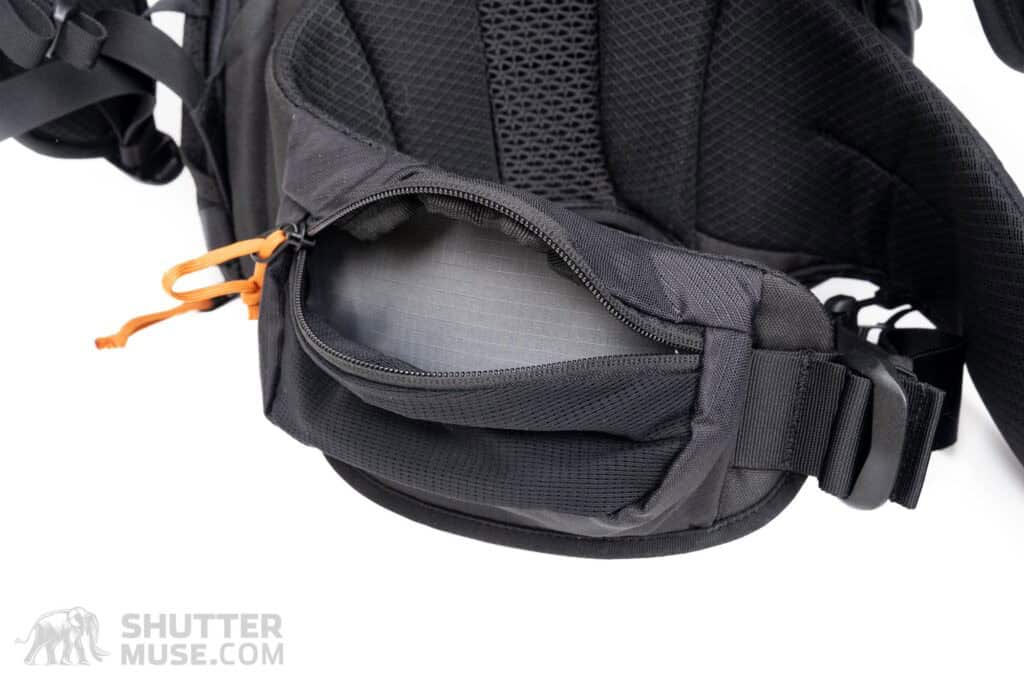
The bag’s right-hand hip belt includes a zippered, stretchy mesh pocket, suitable for snacks, sunscreen, and a thin pair of gloves.
Landing Pad
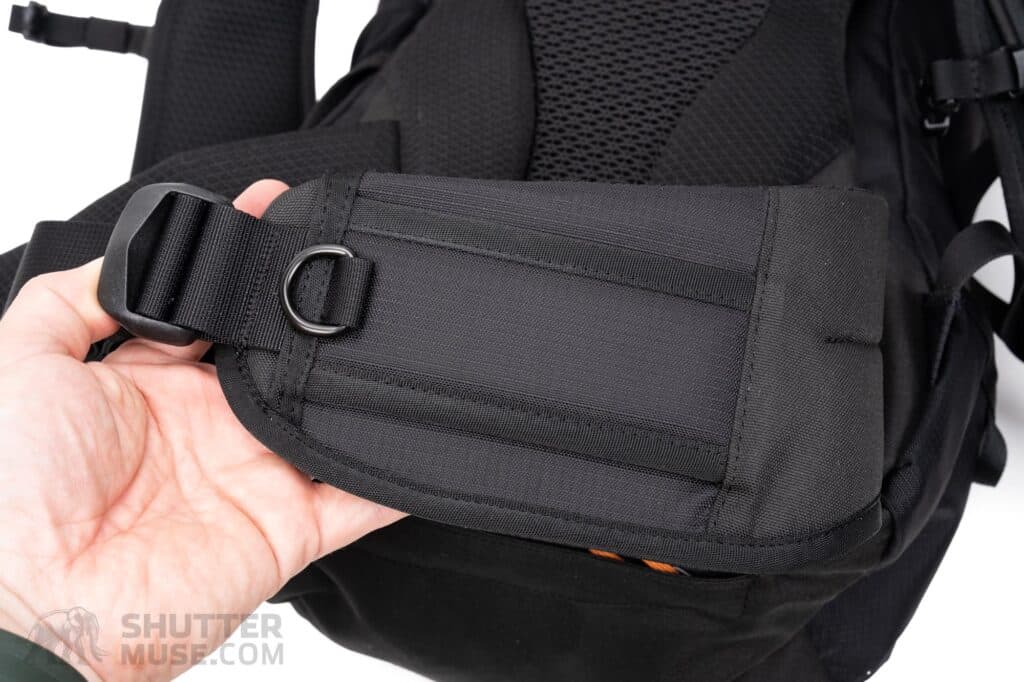
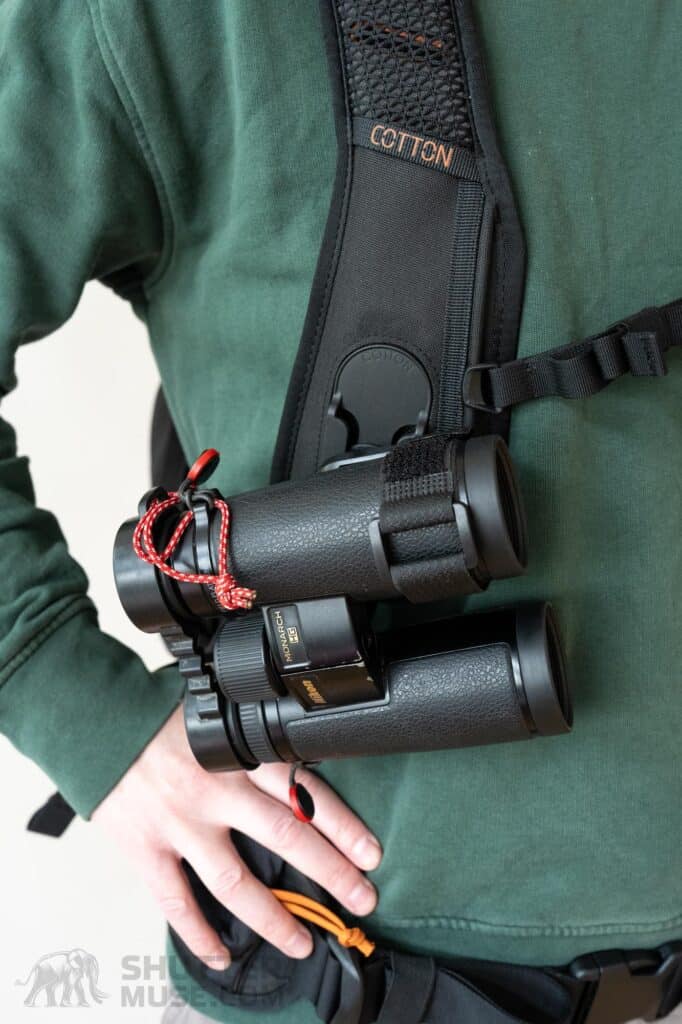
On the opposite side of the mesh stash pocket is the Landing Pad, as Cotton Carrier calls it. This accessory rail can be used to mount a G3 Wanderer holster to carry a second camera or a pair of binoculars. Alternatively, you can use it to attach the Cotton Carrier Lens Bucket.
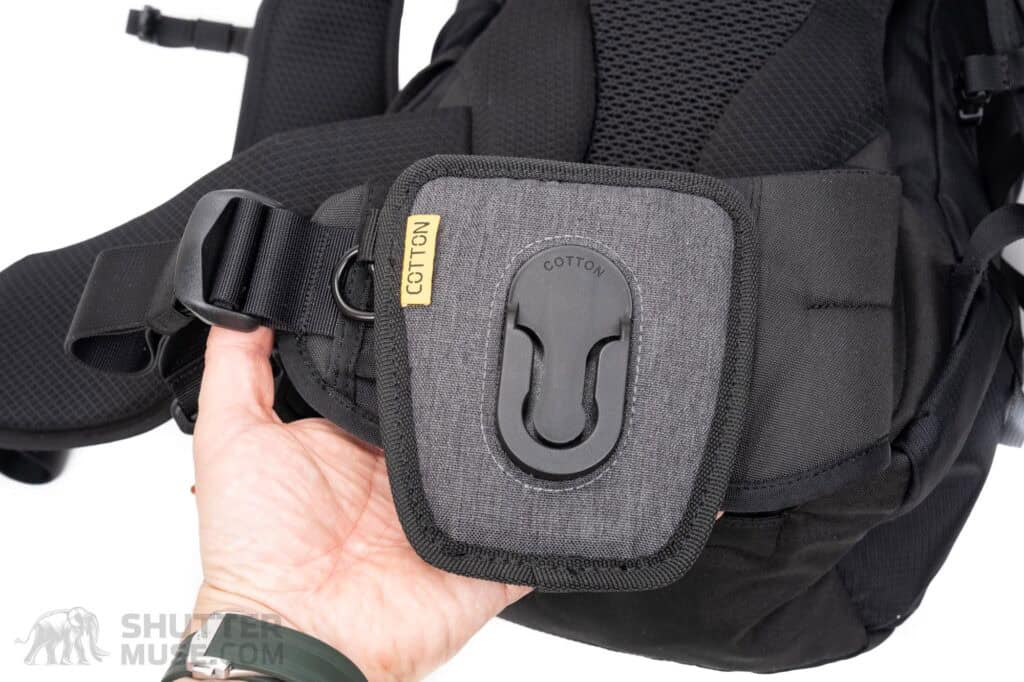
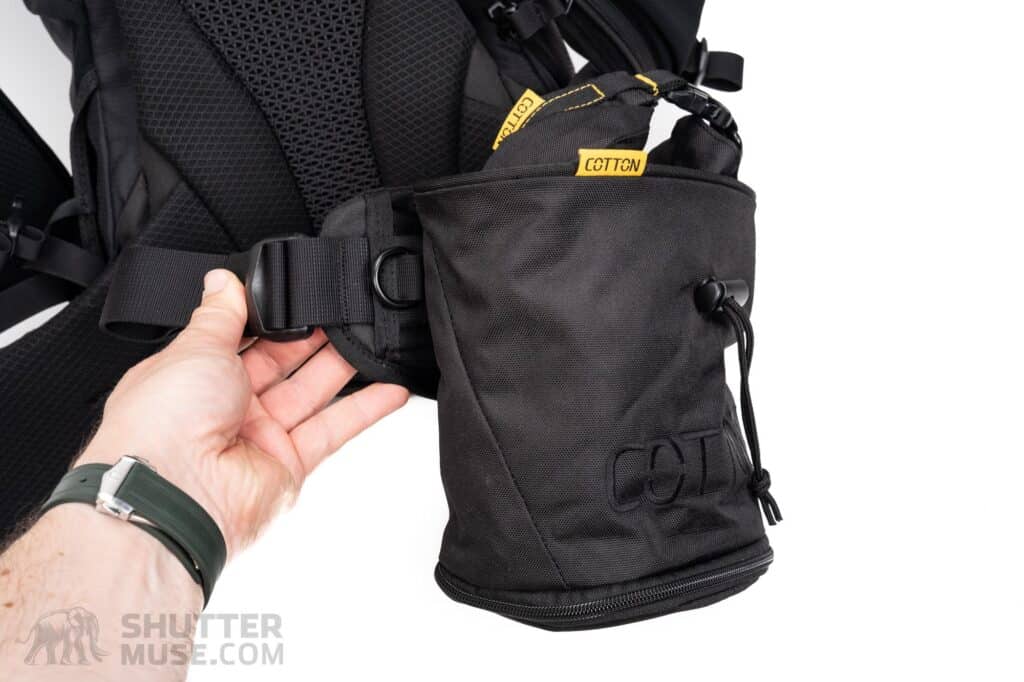
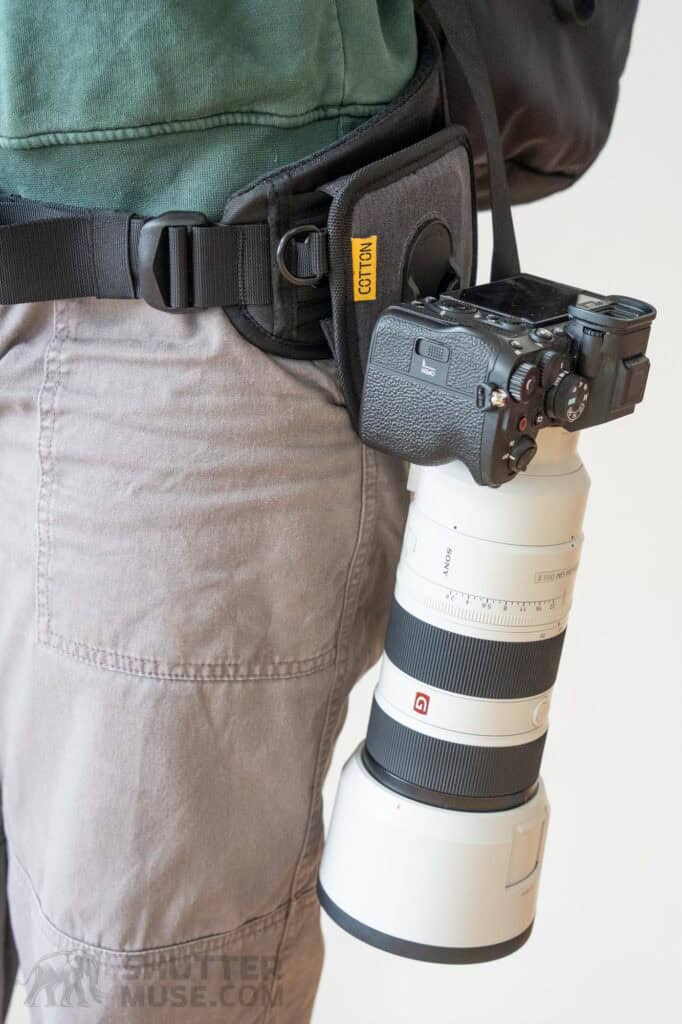
Tripod Pocket
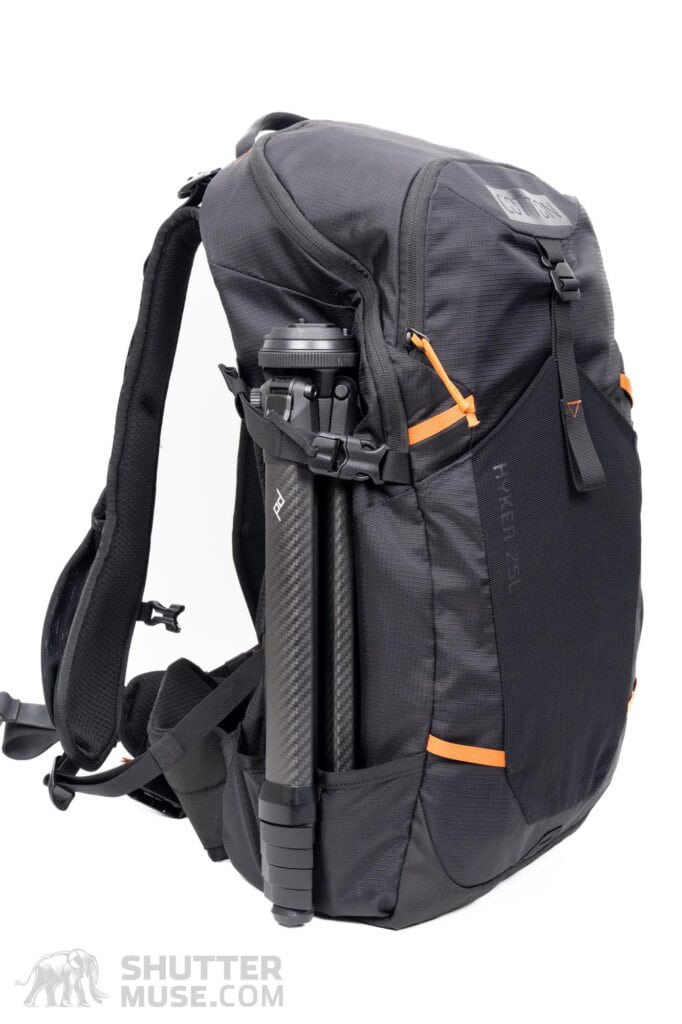
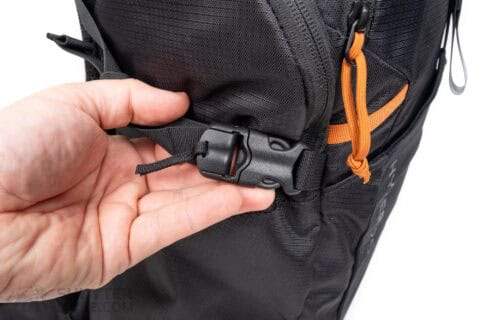
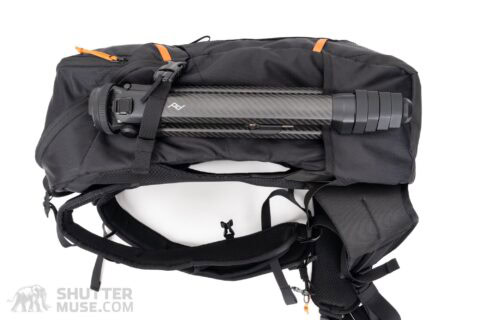
The side of the bag opposite the main zippered opening is designed to carry a tripod. A shallow side pocket is just large enough to support the tripod’s feet, and a locking cam buckle ensures the tripod strap won’t loosen while you unstrap it.
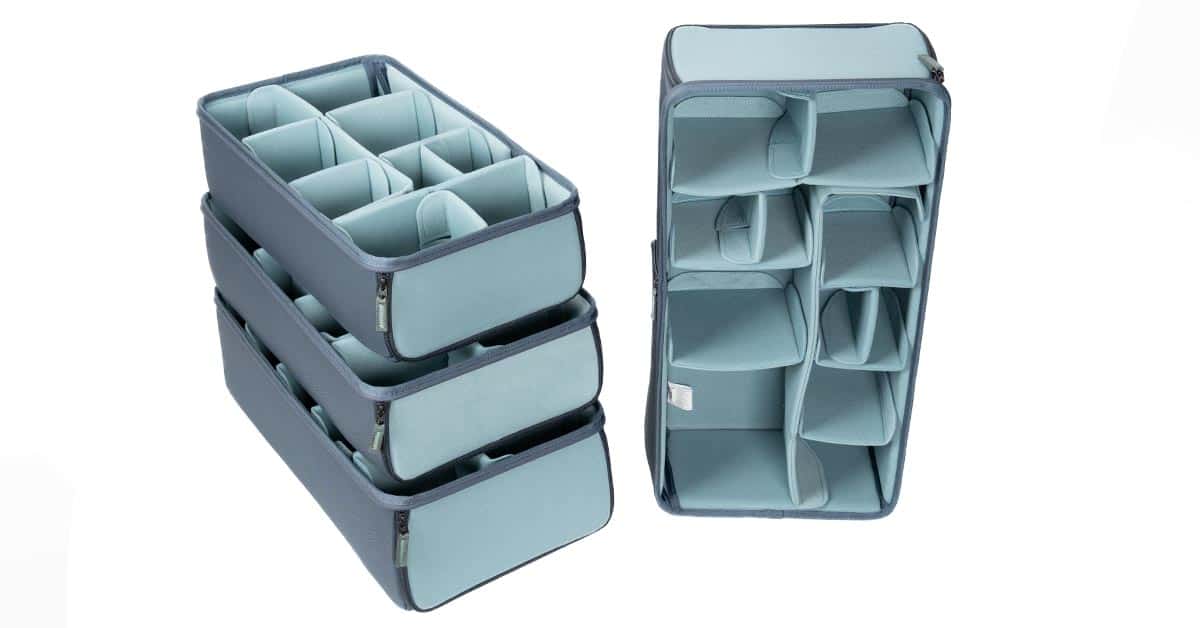
Optional Camera Cubes
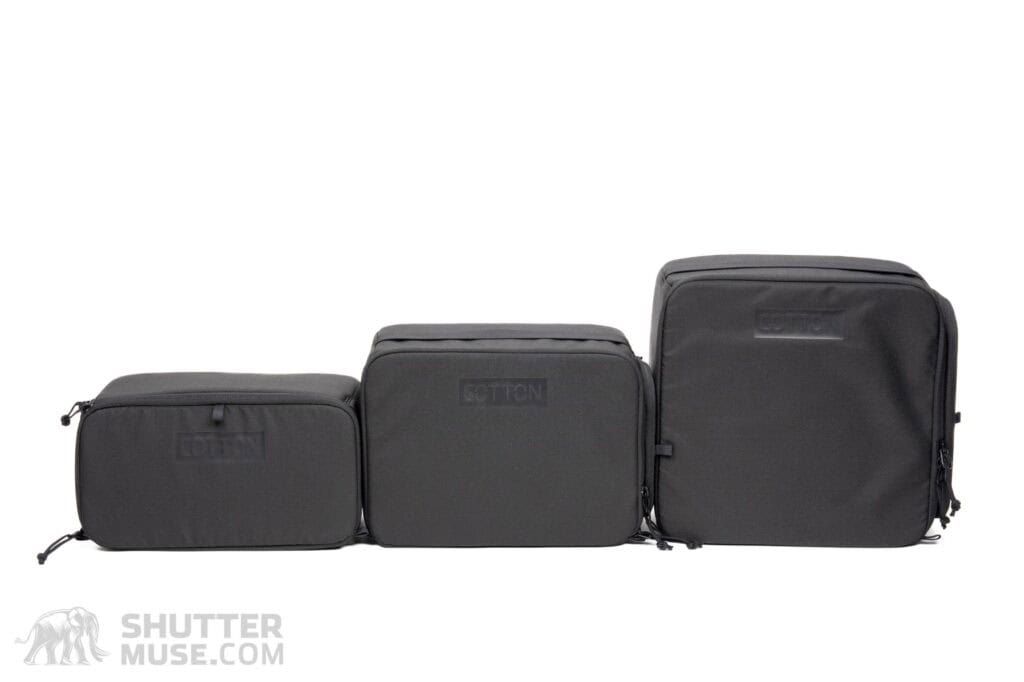
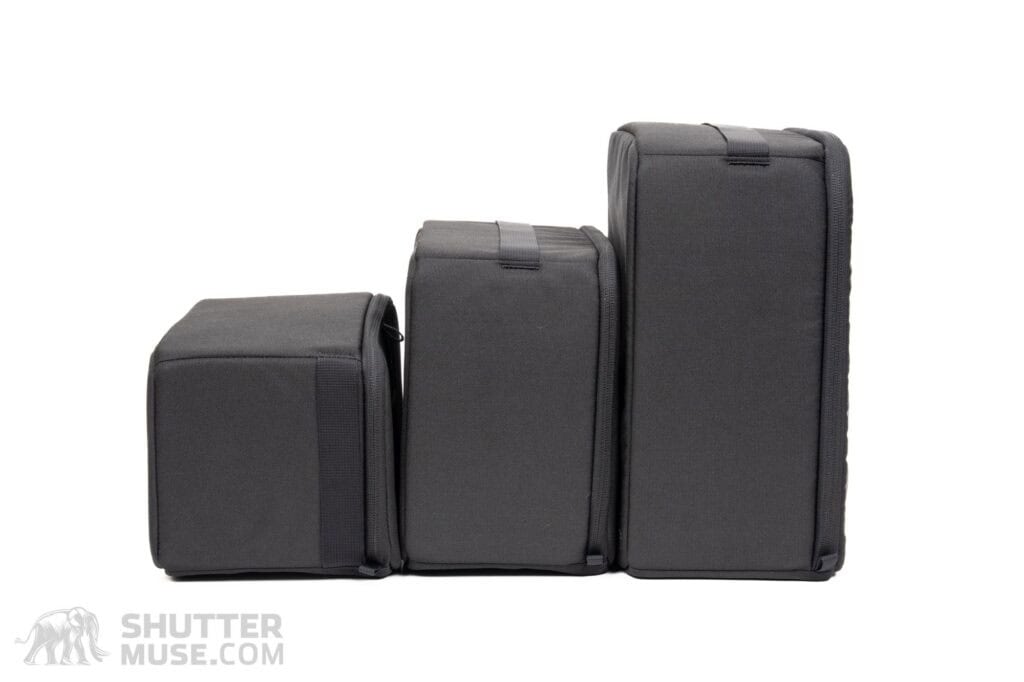
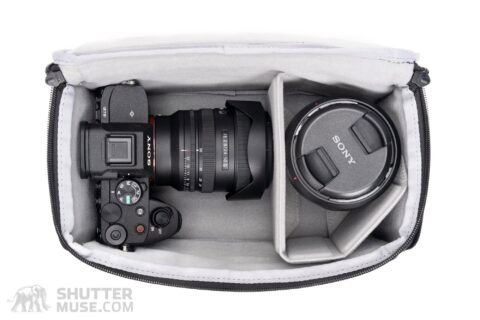
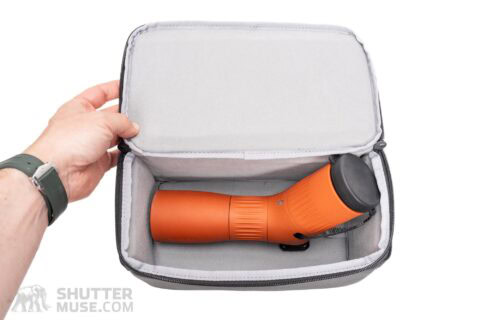
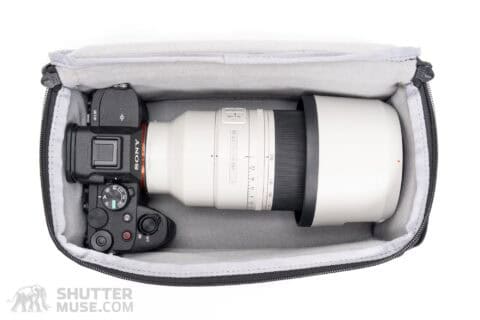
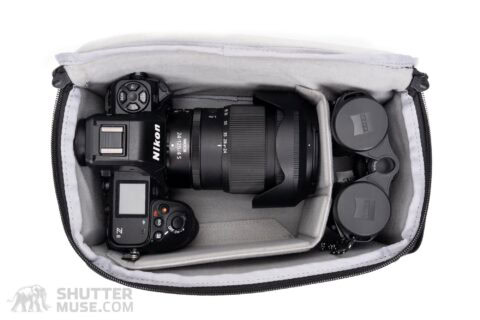
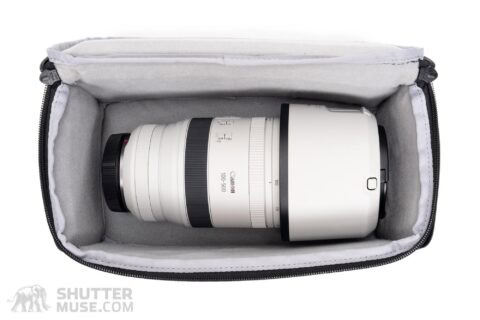
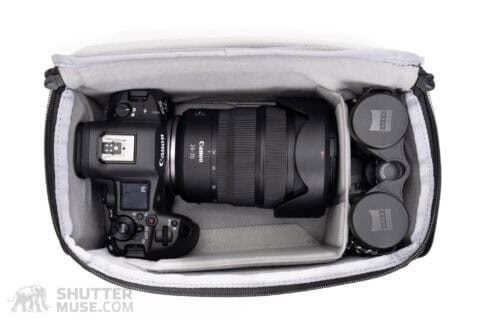
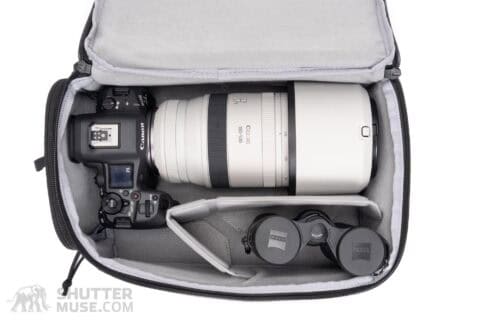
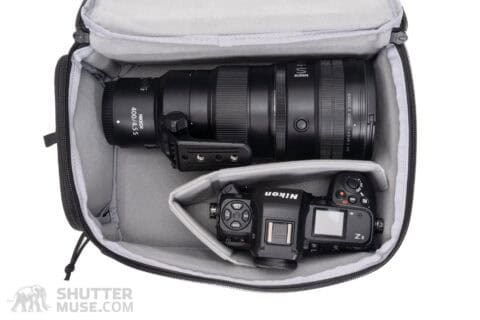
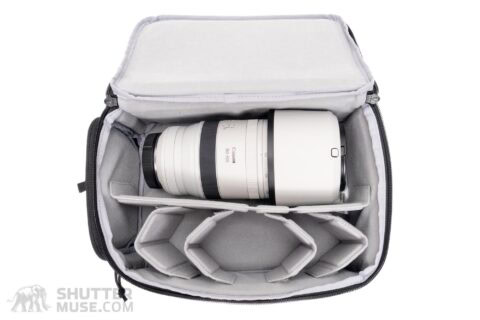
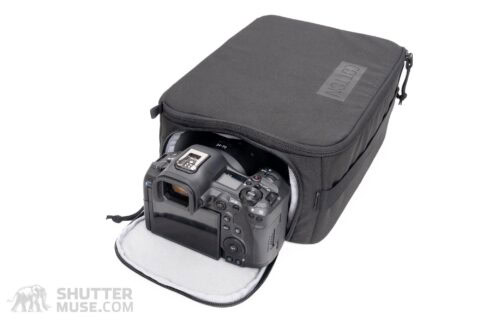
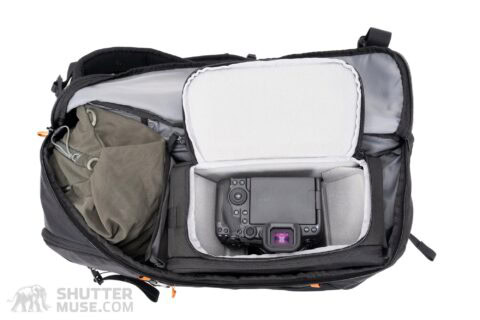
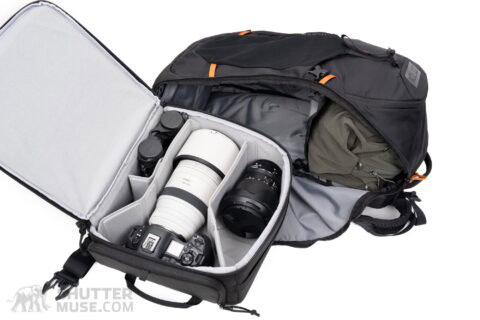
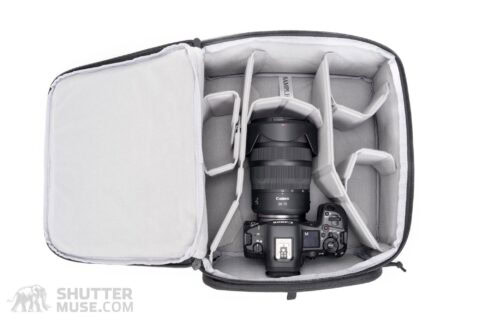
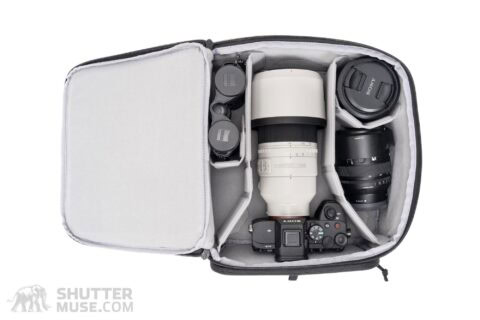
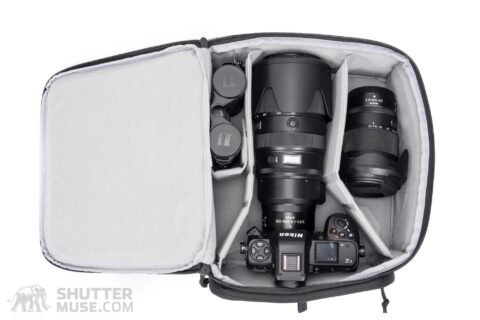
Cotton Carrier is offering three sizes of the Camera Cube as optional accessories for the Hyker 25 Daypack. In this section, I’m going to include a stack of photos of the Camera Cubes loaded up with common lenses so you can get a sense for what fits in each model, as well as how they fit within the Hyker Daypack.
Small Camera Cube
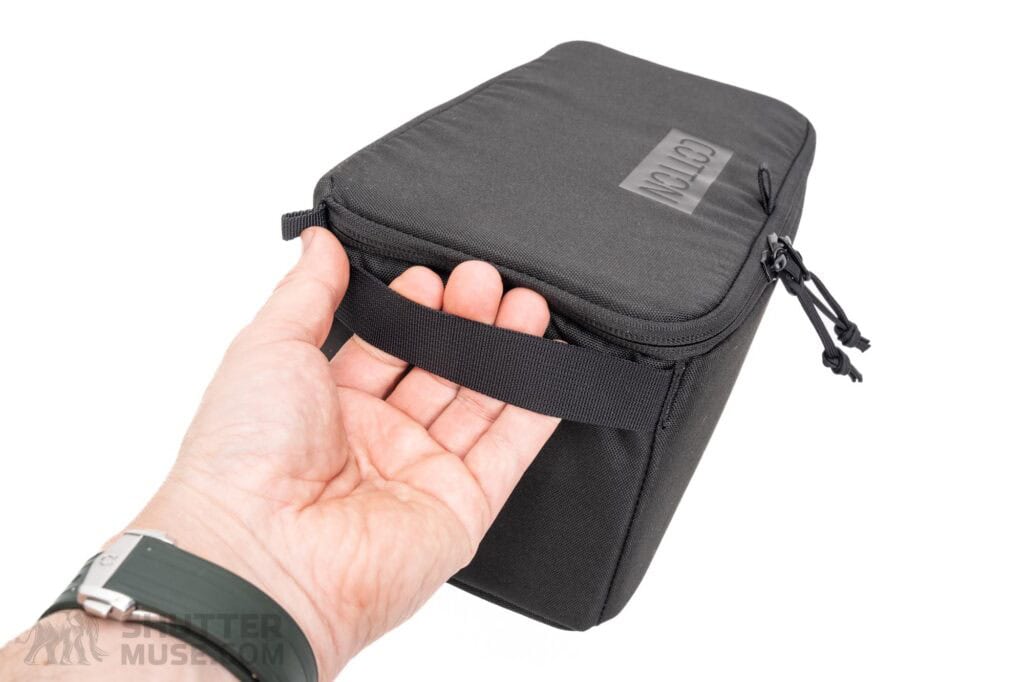
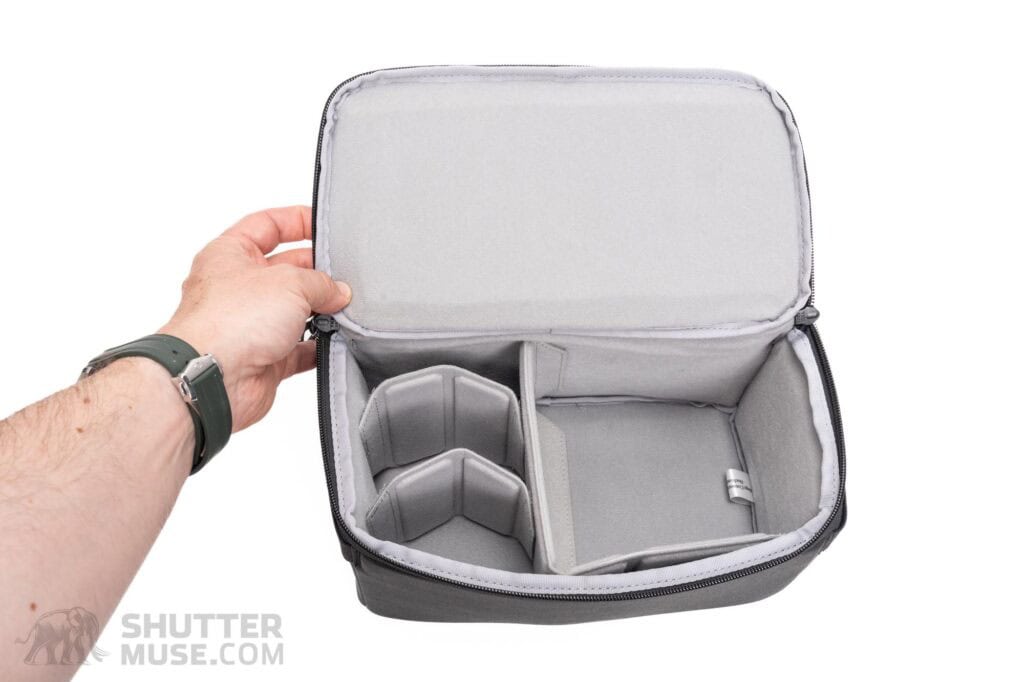
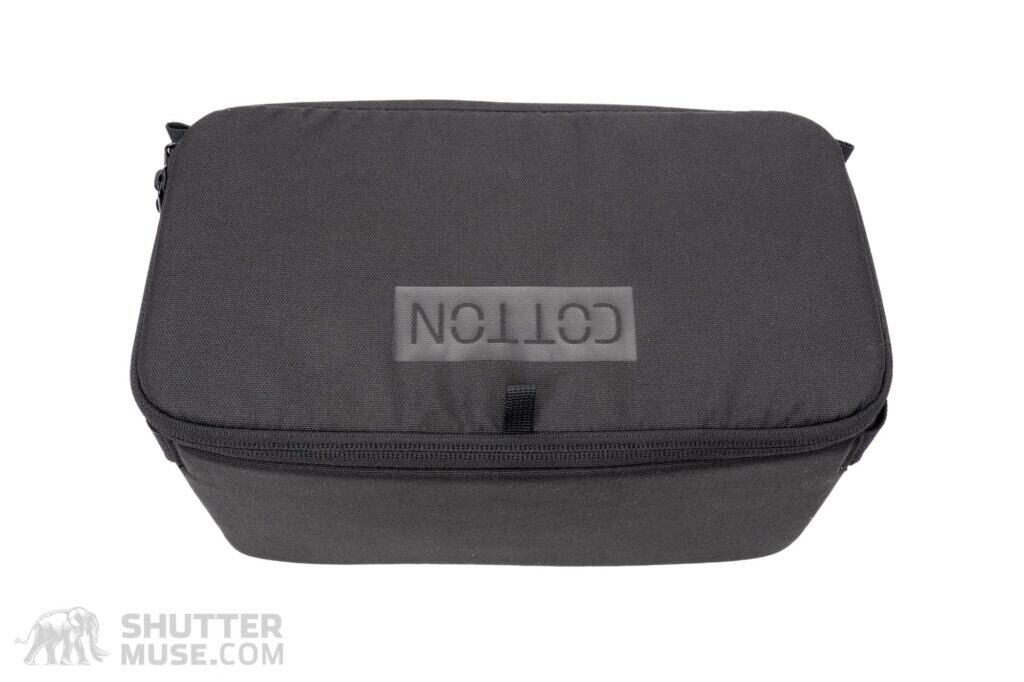
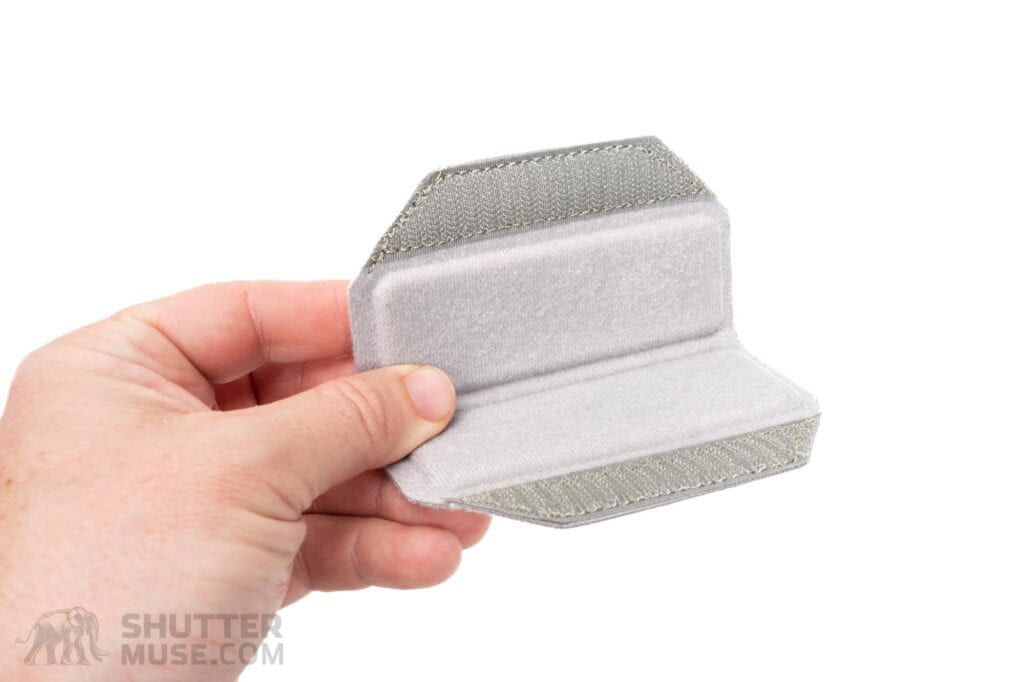
The Small Camera Cube has a side grab handle and includes one large divider and two small dividers. Unlike the Medium and Large models, the Small does not have a side entry hatch. Gear access is through a top flap, so you have to slide the cube out of the bag’s side to reach your gear.
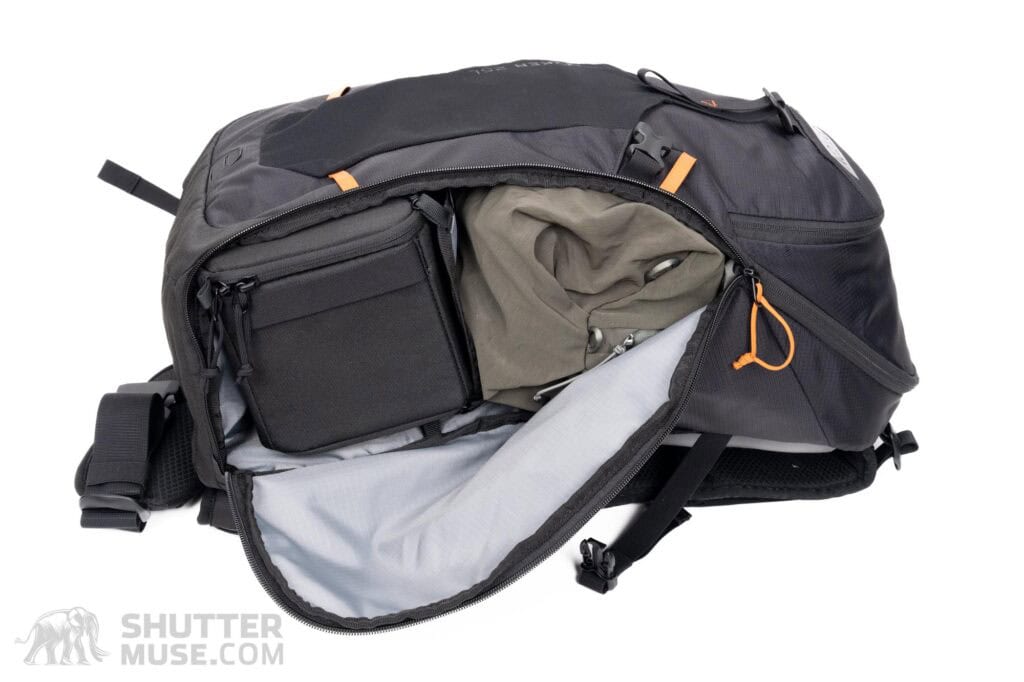
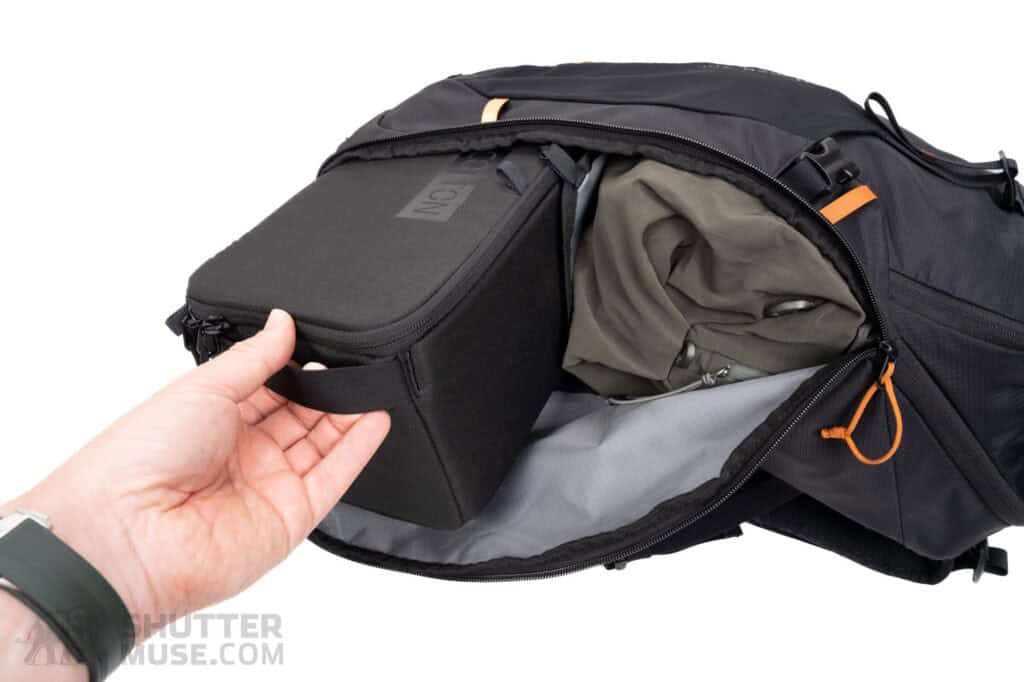
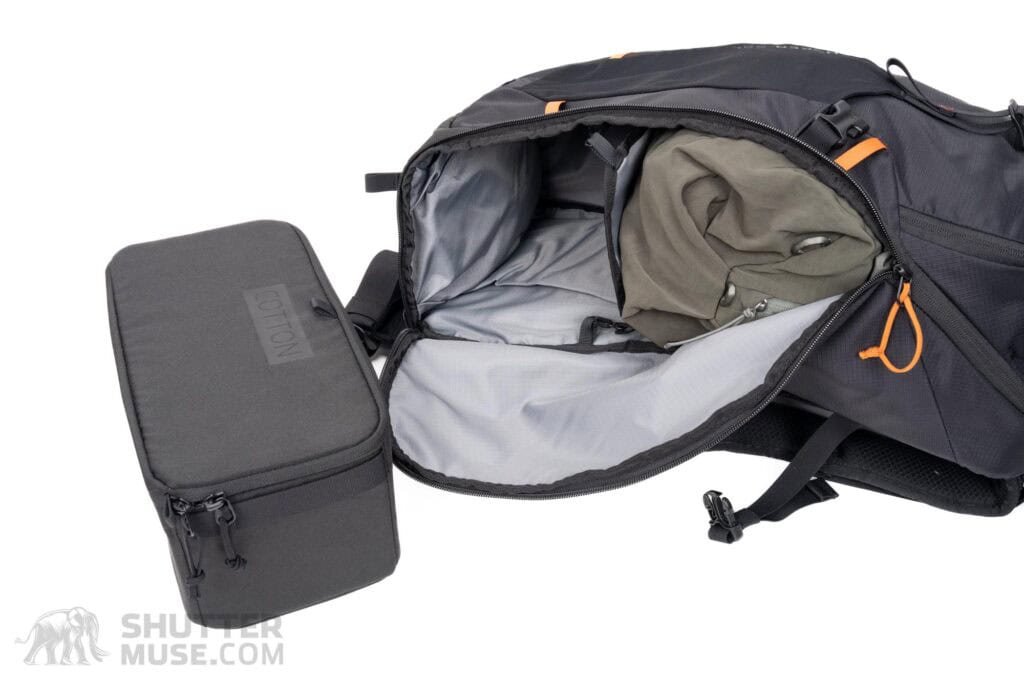
Conveniently, the Small Camera Cube is a good fit for the lens size I recommend for the Hyker 25’s Twist & Lock receiver. A standard zoom, like a 24-70mm, and up to a small telephoto, like a 70-200mm, are great options. If you only want to carry one lens, mostly by carrying it on the Twist & Lock receiver, the Small Camera Cube, stashed in the bottom of the Hyker 25, gives you a convenient place to protect the camera if the weather takes a bad turn or you find yourself in a situation where you know you won’t need the camera for a while. Below are a few more size comparisons.
Medium Camera Cube
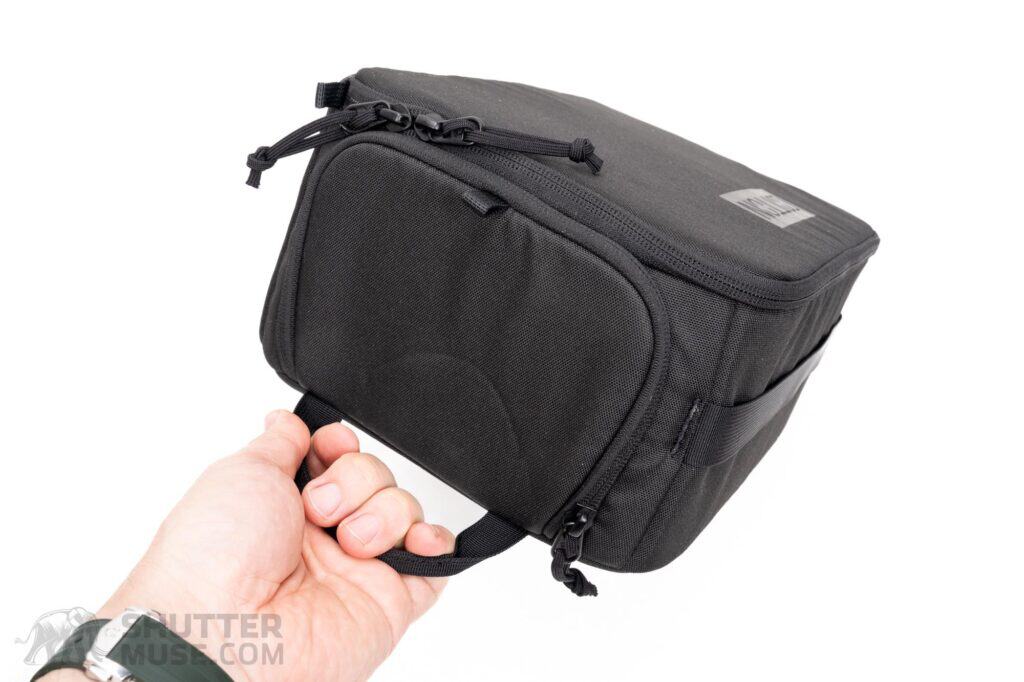
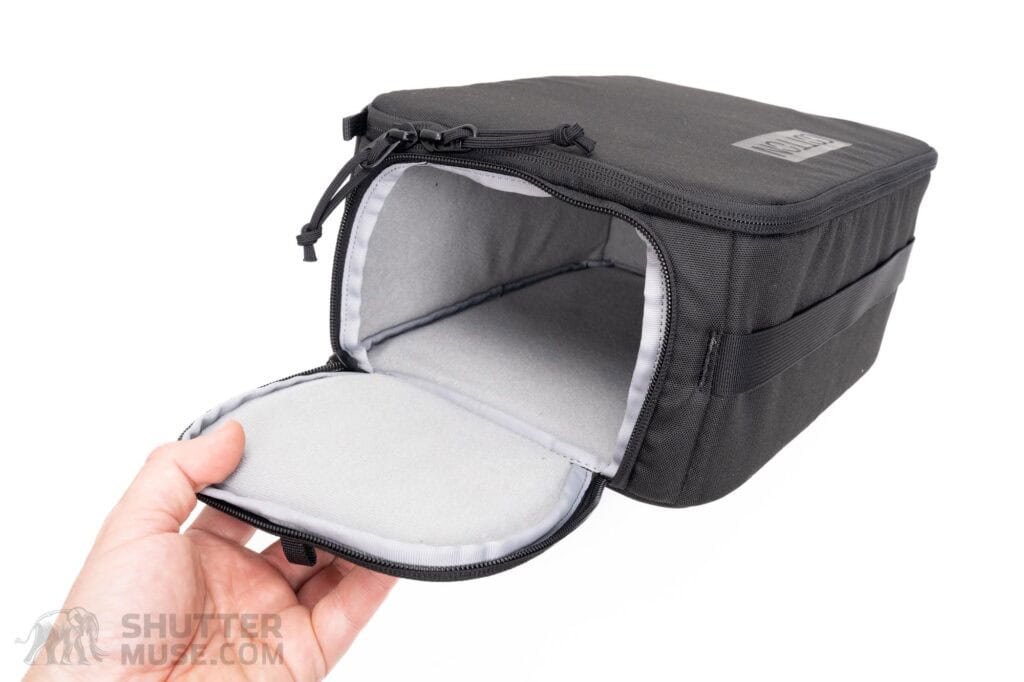
The Medium Camera Cube isn’t a whole lot larger than the Small model, but it adds a side access hatch, which means some of the Cube’s contents can be accessed by swinging the bag off one shoulder and unzipping the side of the backpack. While testing various camera and lens combinations, I found it worked well with Sony and Canon full-frame cameras, including lenses up to 70-200mm f/2.8 or the Canon RF 100-500mm.
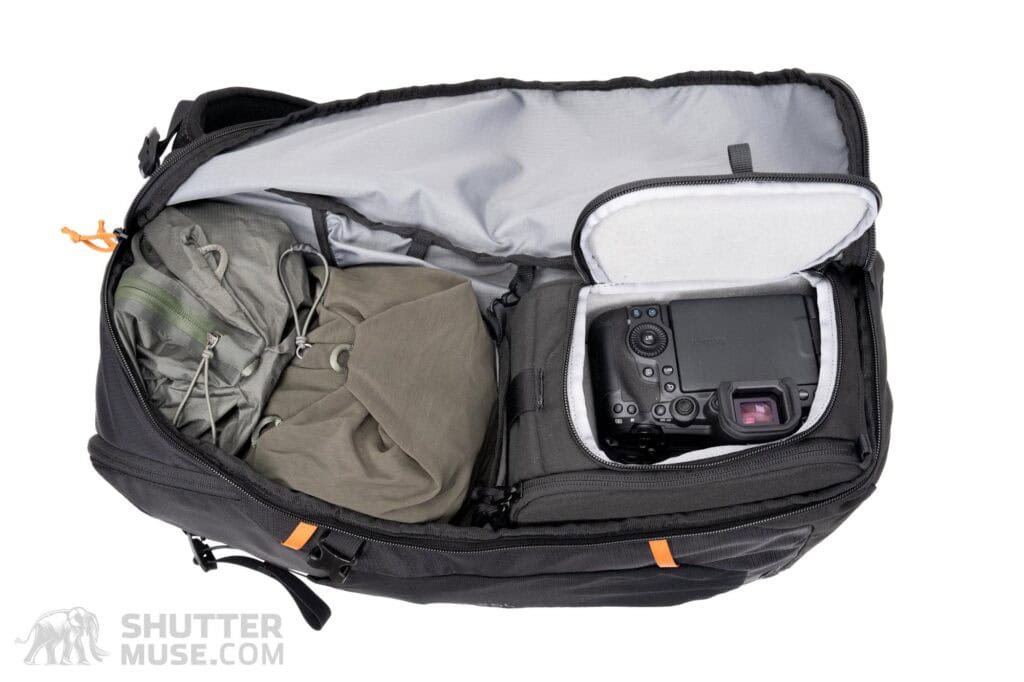
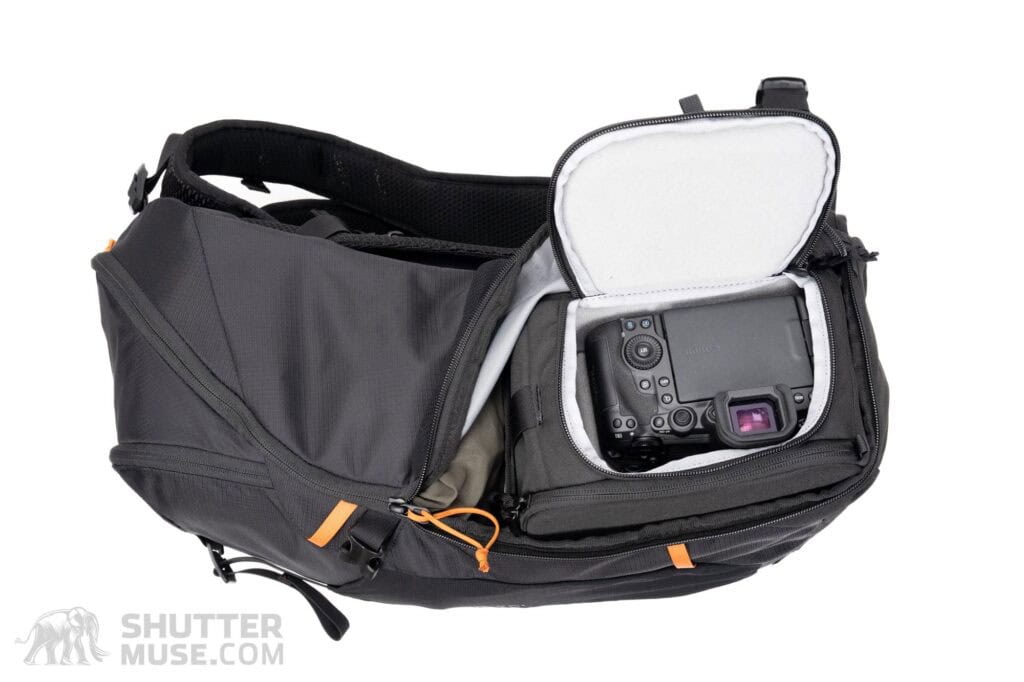
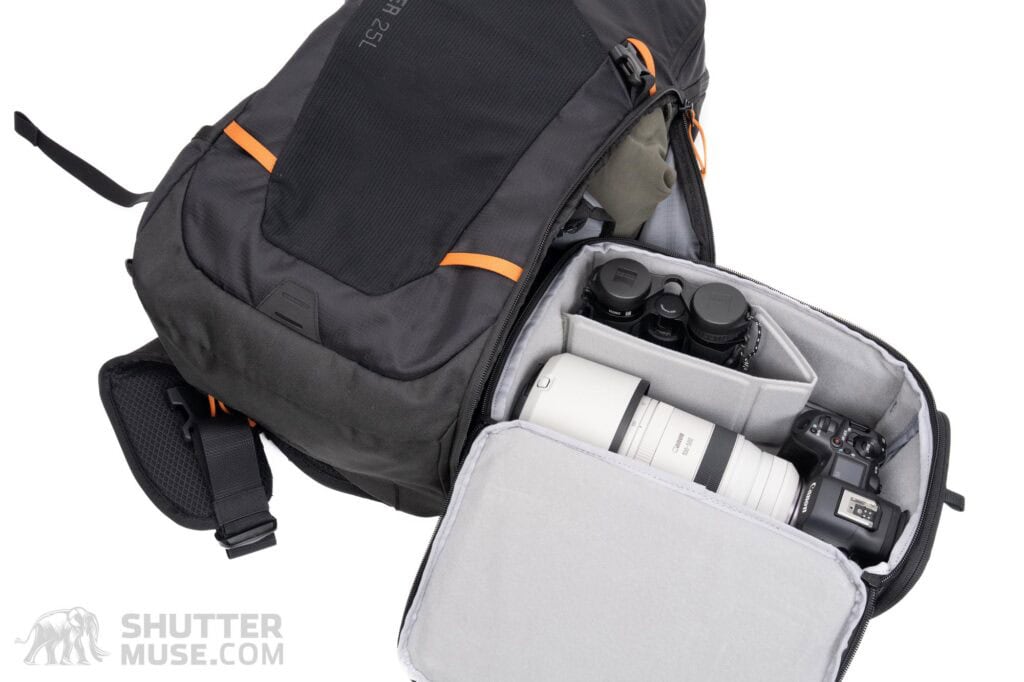
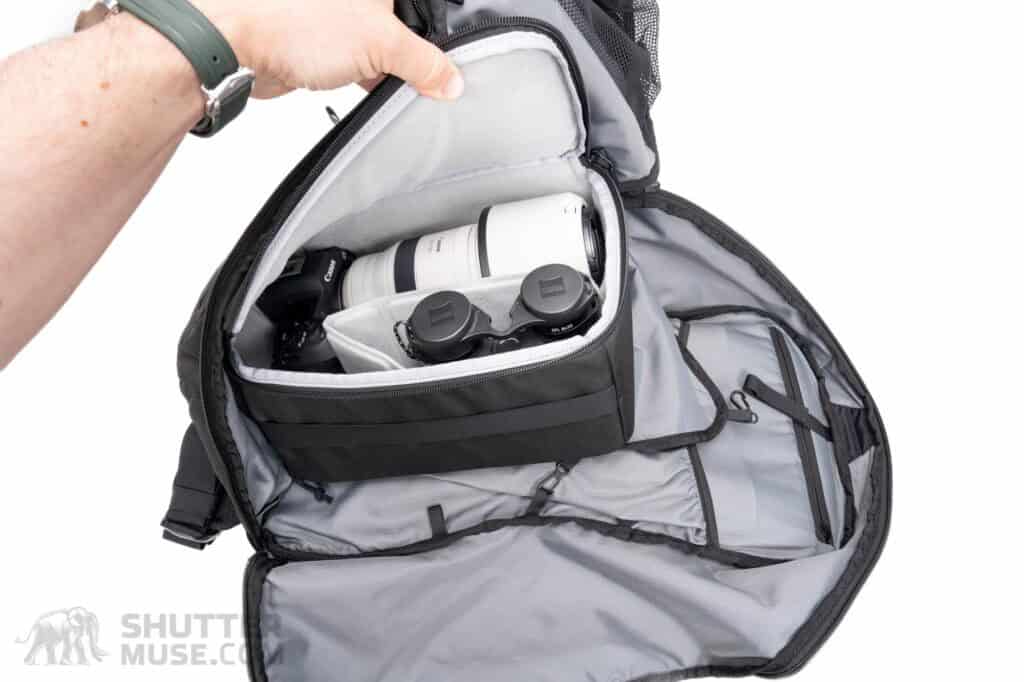
Where I ran into issues with this model was when I tried to use it with a Nikon Z8. This camera is much larger than a Sony full-frame camera, and even quite a bit chunkier than a Canon full-frame model like the R5 Mark II. It’s simply too tight in the side hatch to be usable. Of course, you could access that camera in this cube through the top hatch, but it seems a shame to miss out on side-access entirely. Z8 users should move on up to the Large Camera Cube.
It should also be noted that you can’t easily access all your gear through the side hatch. Most people will want to configure the Camera Cube to enable the extraction of a commonly used focal length attached to a camera body. This will, in most cases, still leave additional space in the Cube that can only be accessed by removing the bag from your back and unzipping the main compartment. Such is always the way with side-access camera bags.
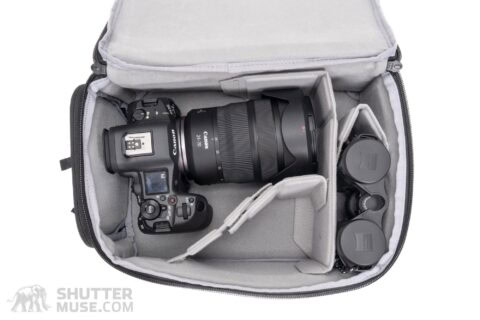
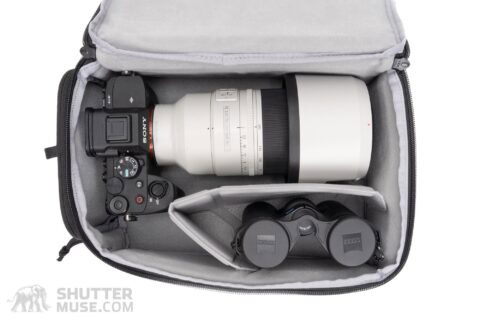
Large Camera Cube
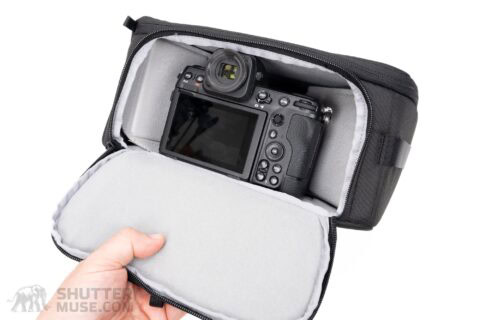
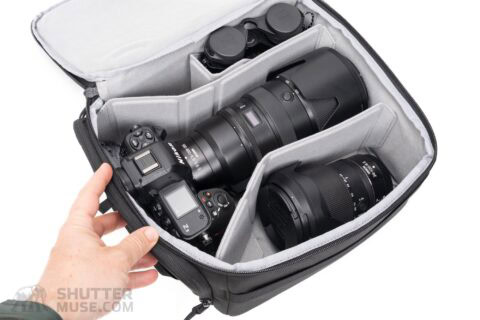
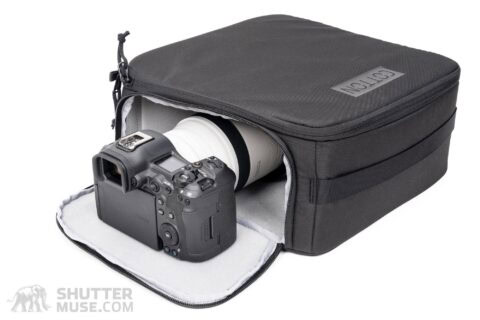
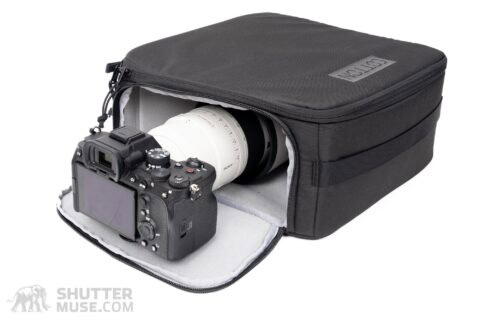
Moving up to the Large Camera Cube gives you a much wider side-access hatch to accommodate larger bodies like the Nikon Z8, though gripped or pro-sized bodies like the R1 or Z9 series do not fit. The width of the Large Camera Cube is the same as the Medium, so the same lengths of lenses are compatible, but you get an extra row to carry one or two additional smaller lenses.
Water Bladder
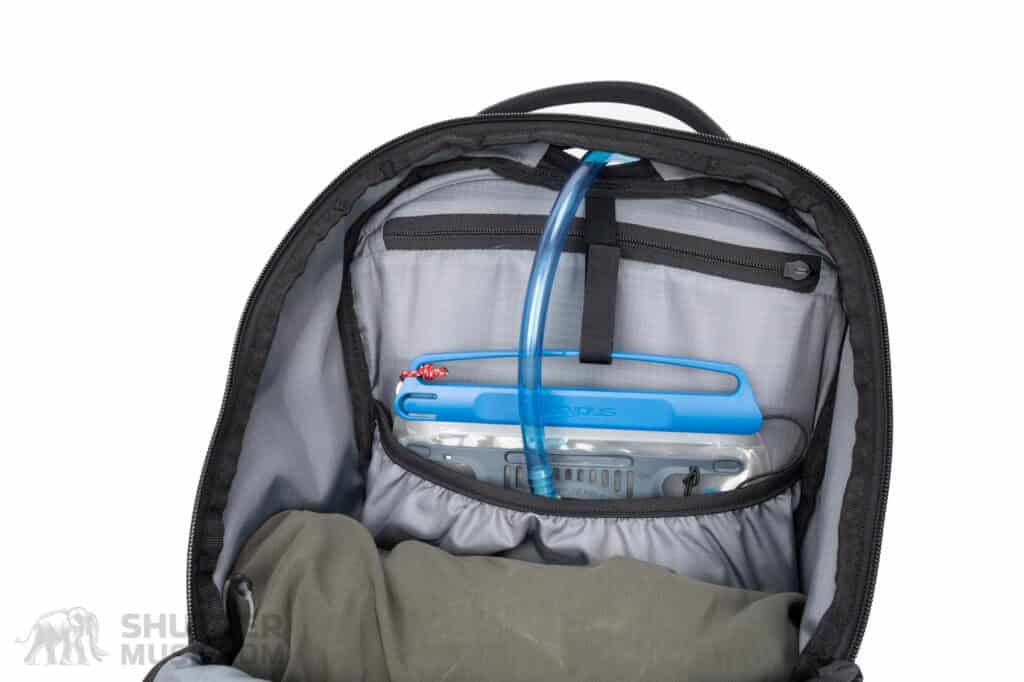
Inside the bag’s main section, you’ll find a water bladder sleeve and an exit port for the hose. Small to medium-sized water bladders (1-1.5L) work best in my testing, but they only work when you are not using a Camera Cube. With a Cube in place, things get too tight, and that’s where the water bottle pocket comes in.
Water Bottle Pocket
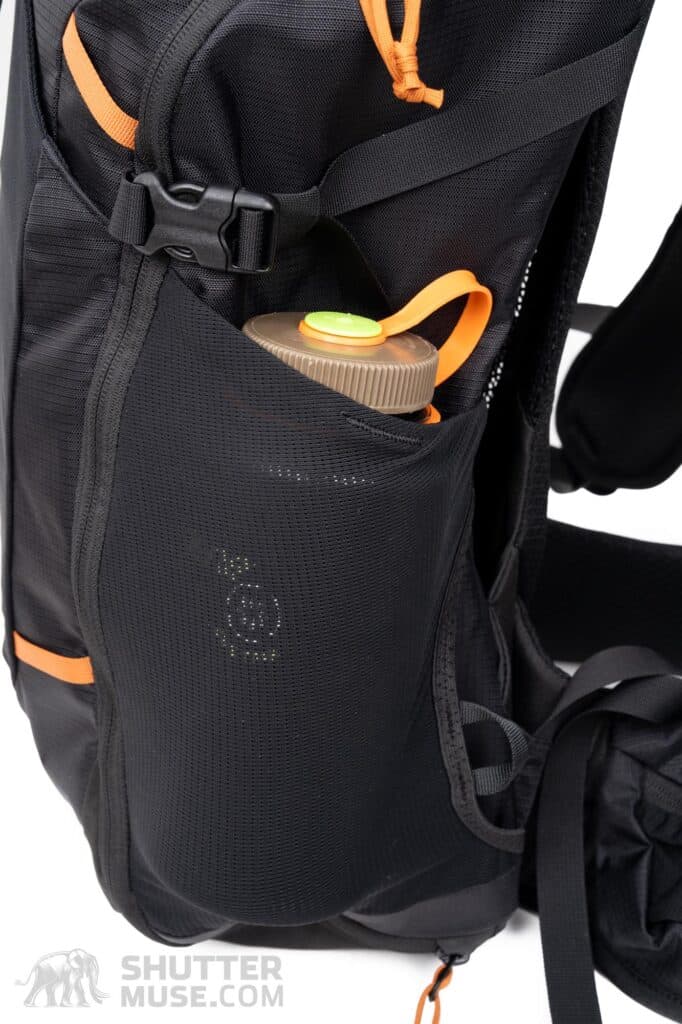
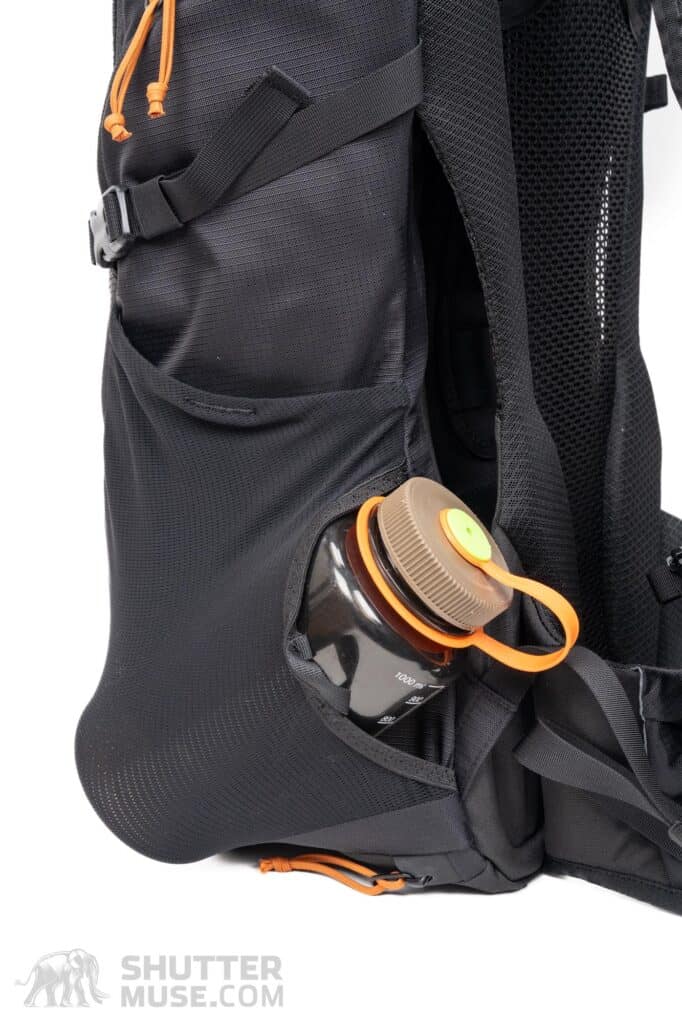
One side of the bag features a large, stretchy mesh pocket for a water bottle. As shown in the photos, it fits up to a 2L Nalgene bottle. The bottle can be inserted through the top or the side of the pocket, keeping it accessible without removing the pack. While I have come across this side-insertion feature on a hiking bag, I think it’s the first time I have seen it on a camera bag. Re-inserting the bottle without removing the bag takes a little practice, but with your index finger on the nylon webbing loop, you can get fairly adept at the process.
Rain Cover
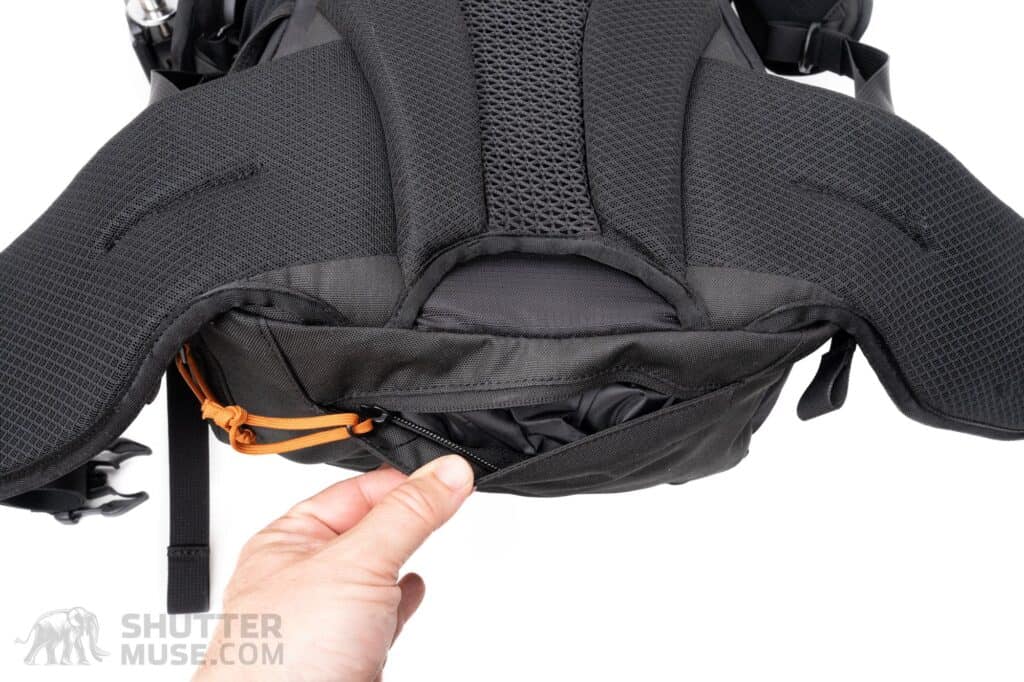
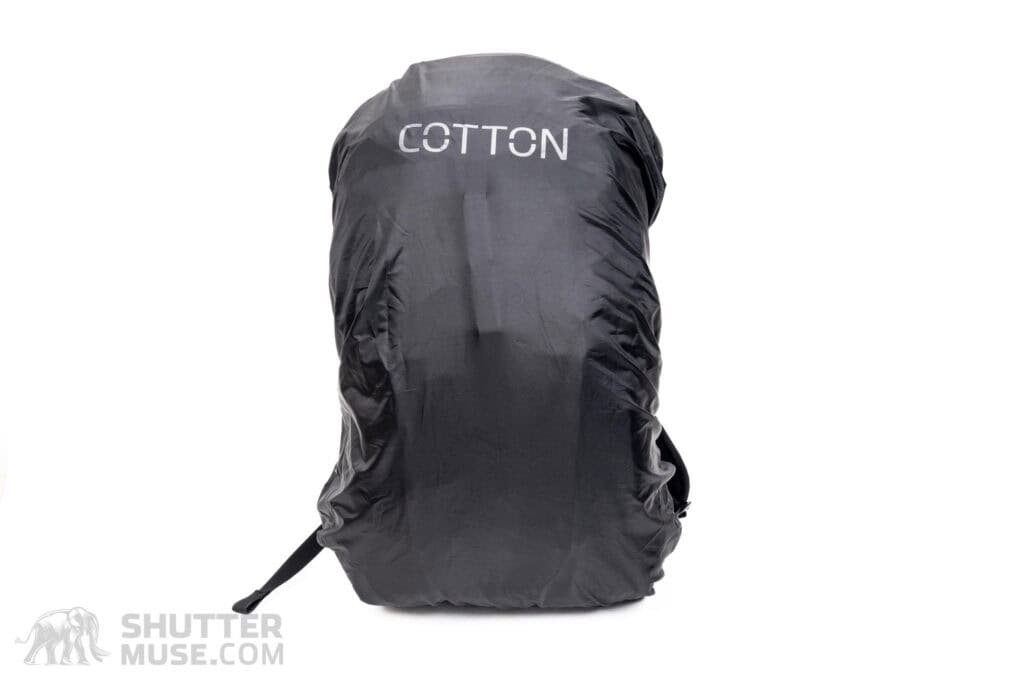
While the bag’s exterior materials are weather-resistant, that isn’t the same as waterproof. For those heavier downpours, the Hyker 25 Daypack includes a seam-sealed rain cover and a convenient storage pocket in the base of the bag.
Cotton Carrier Hyker Slingbag Vs. Hyker 25 Backpack
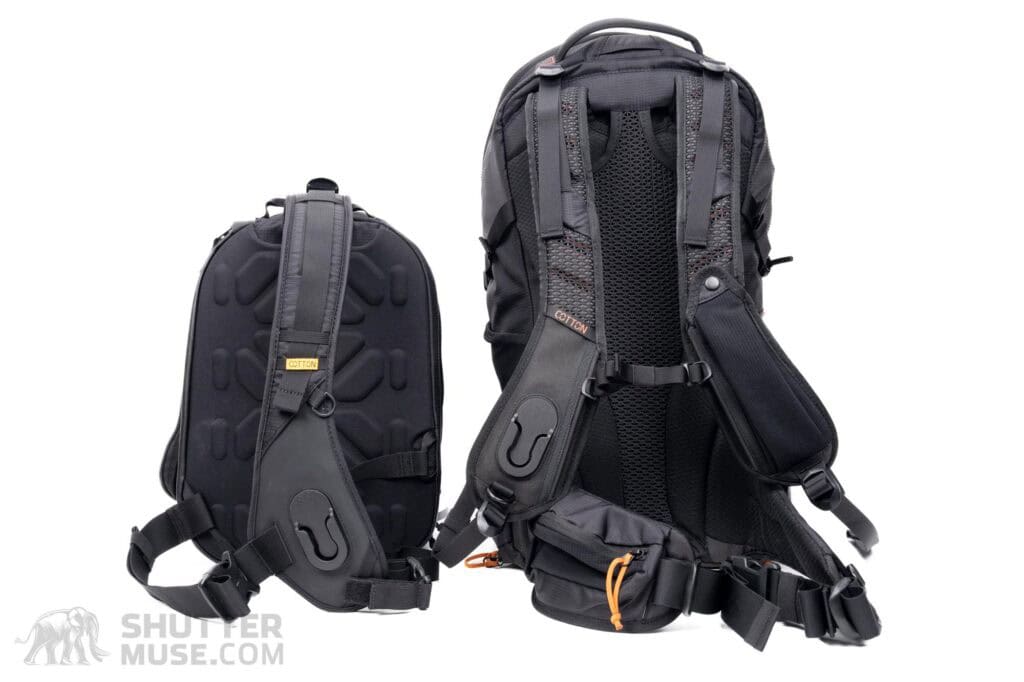
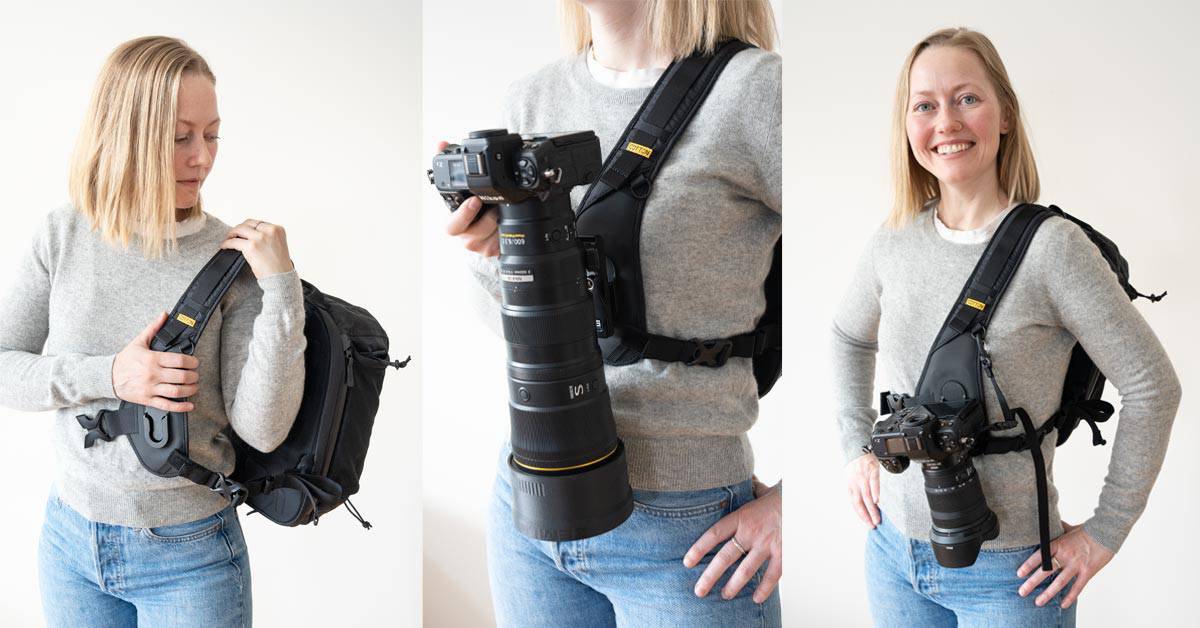
If you like the idea of a bag featuring the patented Cotton Carrier Twist & Lock receiver, the previously reviewed Hyker Slingbag might also be on your radar. At first glance, this might seem like a simple comparison. One bag is a 12L sling, the other is a 25L backpack. However, my testing of these bags revealed a more complicated situation that stems from the placement of the all-important Twist & Lock receiver.
On the Hyker 25L backpack, the receiver sits on your right-hand shoulder strap. When carrying a camera with a 24-70mm f/2.8 or a newer mirrorless 70-200mm f/2.8, I found it comfortable. With anything larger than that, the bag starts to feel too lopsided. Conversely, the Hyker Slingbag places the receiver right in the center of your chest, making it capable of comfortably supporting lenses up to a typical 100-400mm, or even a 200-600mm.
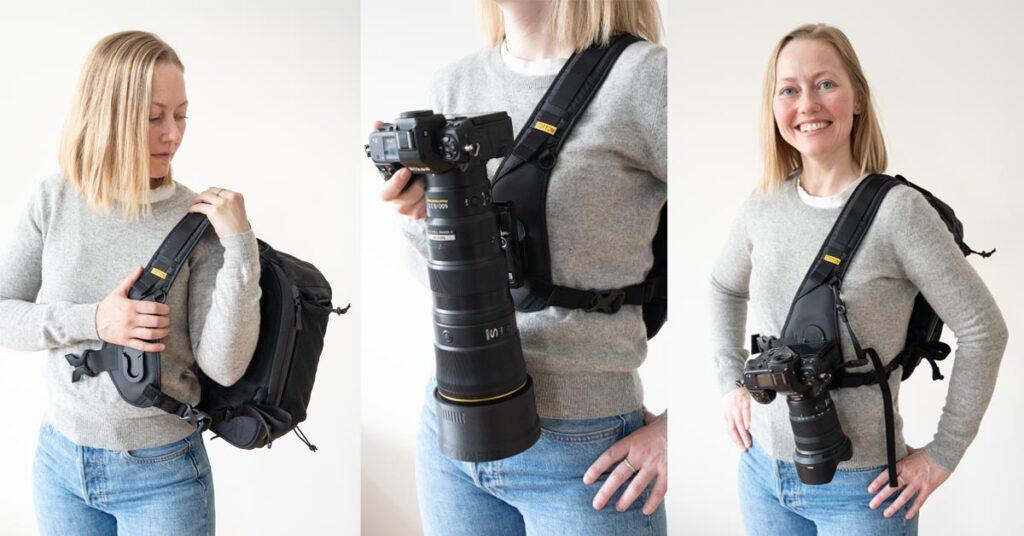
The flip side is that the Hyker Slingbag only has a 12L capacity and isn’t designed to carry such large, heavy camera setups internally. Instead, it shines when you support the camera externally, while carrying your field essentials – snacks, field guides, binos, rain layers – inside the bag. Ultimately, both are great bags, but their use cases aren’t really comparable. If you haven’t yet read it, I encourage you to check out the Hyker Slingbag review where I delve deeply into all of the different uses cases where the sling-style options shines.
Conclusion
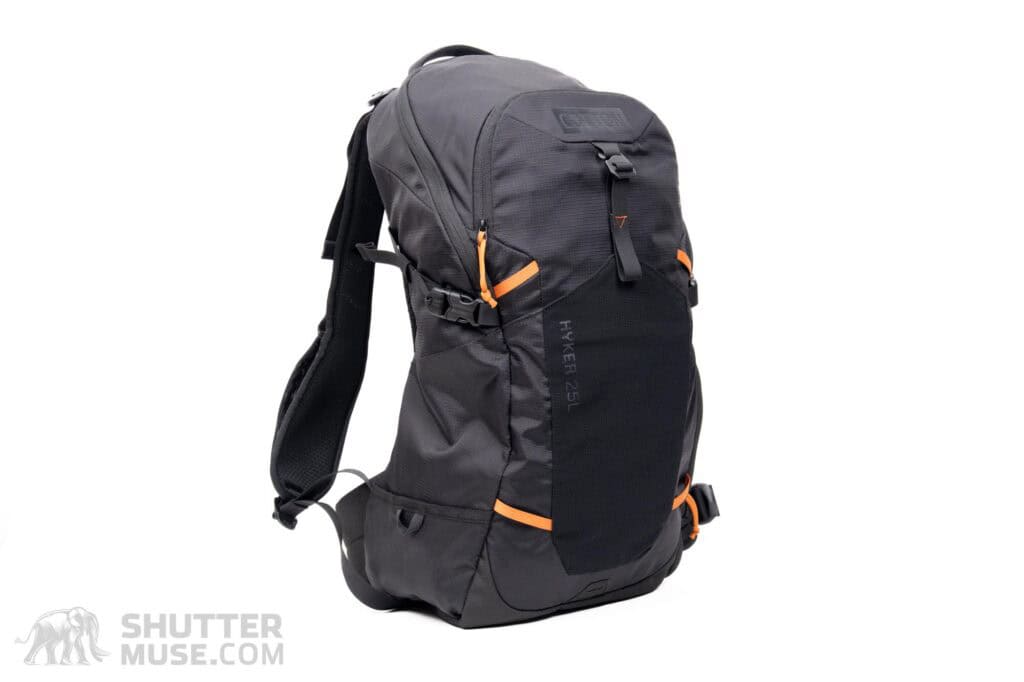
The Cotton Carrier Hyker 25 is a great option for photographers who enjoy spending time outdoors with a camera close to hand. The Trampoline Back Panel is the bag’s standout feature, offering improved airflow across your back and outstanding carrying comfort.
Whether you’re hiking with your camera gear or exploring nature with binoculars, the Hyker’s quick-release harness keeps your camera or optics easily accessible, while everything else remains within reach when the backpack is rotated onto one shoulder. Coupled with durable materials, high-quality zippers, and buckle hardware, Cotton Carrier has created a product for nature enthusiasts that’s hard to ignore.
Where to Buy
Early bird purchasers save 25% on pre-sale orders placed before June 7th, 2026, using the links below. Shipping begins in mid-July for Black, Tan, and White. The Green version will ship in September. Shutter Muse readers can save 10% on full-price Cotton Carrier gear using the discount code SHUTTTERMUSE. While this code isn’t valid for the Hyker 25 pre-order pricing, I’m mentioning it here in case you read this after the pre-order period or if you are adding multiple items to your cart. Even if you are pre-ordering the Hyper backpack, additional items in your cart will have the 10% discount applied.



Hi Dan, thanks for the review.
Just a minor correction, the Jack Wolfskin ACS Photo Pack has had this “trampoline” style back in 2016/17. Back then, I was using it in Costa Rica of all places, not kidding!
Jack Wolfskin is a German-based outdoor company, so it is quite possible that it was only available in EU markets. I also had some issues with it regarding storage space and organization (at least with its first/initial version?), and switched to other back packs log ago but the back support and comfort was great!
Time check out the Hyker, I guess.
Regards
Hi Toby,
That’s interesting. I actually know of that brand as I did some work for them about 15 years ago. You’re right, they don’t sell in the North American market, and I had no idea they ever made a camera bag!
Interesting that you mention “Do not assume that because a Cotton Carrier G3 harness can carry a 200-600mm or even a 400mm f/2.8, the Hyker can do the same. The position of the receiver, central on your chest, is a big part of why that works so comfortably on the G3. That same sort of lens weights cannot be carried comfortably on the Hyker 25. Stick to small primes, “walkaround” focal length zoom lenses, or lightweight, modern 70-200mm lenses.” but then a few spaces above, there is an illustration photograph of the lady carrying a camera with a telephoto lens attached to the backpack. Isn’t that a confusing picture?
That’s the slingbag which is chest centred not the backpack where the camera is on a shoulder strap:)
The point about the Twist & Lock receiver sitting off-center on the shoulder strap is really useful – it explains exactly why a 200-600 works on the G3 chest harness but a 70-200 f/2.8 is about the ceiling here, and the Trampoline back panel finally borrowing Osprey’s suspended ventilation is long overdue. This reminds me, you might find GearDex useful for keeping those kits on separate lists.